Introduction
When planning a flooring project, price is one of the most important factors influencing purchasing decisions. Whether you are a homeowner, contractor, developer, or flooring distributor, understanding SPC flooring cost helps buyers evaluate product value and select the right flooring solution.
So, how much does SPC flooring cost?
SPC flooring quotations from different suppliers can vary significantly, even for products with similar appearances. Differences in core formulation, wear layer thickness, manufacturing standards, and quality control processes can directly affect product performance, durability, and long-term project value.
This guide explains the key factors that influence SPC flooring prices and how buyers can evaluate specifications, supplier capability, and overall value when selecting the right SPC flooring solution.
What Determines SPC Flooring Cost?
SPC flooring cost is determined by multiple factors throughout the manufacturing and supply process. For international buyers, pricing is influenced not only by product specifications but also by purchasing conditions and supply chain requirements.
The main factors include:
- Material composition and SPC core quality
- Product structure and wear layer thickness
- Surface design and manufacturing technology
- Installation system and locking performance
- Customization requirements
- Order quantity and packaging
- Supplier capability and supply chain conditions
Understanding these factors helps buyers compare quotations more accurately and select suppliers that provide better long-term value.
What Factors Affect SPC Flooring Price?
1. Material Cost and SPC Core Quality
Material composition is one of the key factors affecting SPC flooring price. The quality of the SPC core directly influences manufacturing costs and final product performance.
SPC flooring uses a rigid core made from limestone powder, PVC resin, and stabilizing additives. The quality and composition of these materials influence:
- Dimensional stability
- Impact resistance
- Long-term durability
- Resistance to temperature changes
Different SPC core formulations influence density, stability, and impact resistance, which can affect both product performance and manufacturing costs.
For commercial projects and large-area installations, buyers often prioritize core quality because it directly affects long-term flooring performance.
2. Product Structure, Thickness, and Wear Layer
SPC flooring consists of multiple layers, including:
- UV coating
- Wear layer
- Decorative film
- SPC rigid core
- IXPE/EVA underlay (if included)
Different thickness structures and wear layer options affect both performance and production costs.
A thicker wear layer can provide better protection against daily wear, while a thicker overall structure may improve comfort, sound performance, and stability. Common SPC flooring wear layer options include 0.2mm,0.3mm,0.4mm and 0.5mm, with thicker wear layers generally recommended for higher-traffic commercial environments.
However, thickness alone does not determine overall quality. A thicker SPC floor may provide improved comfort and sound performance, but overall durability also depends on core density, locking system strength, manufacturing precision, and quality control standards.
3. Surface Design and Manufacturing Technology
Modern SPC flooring is no longer limited to basic patterns.
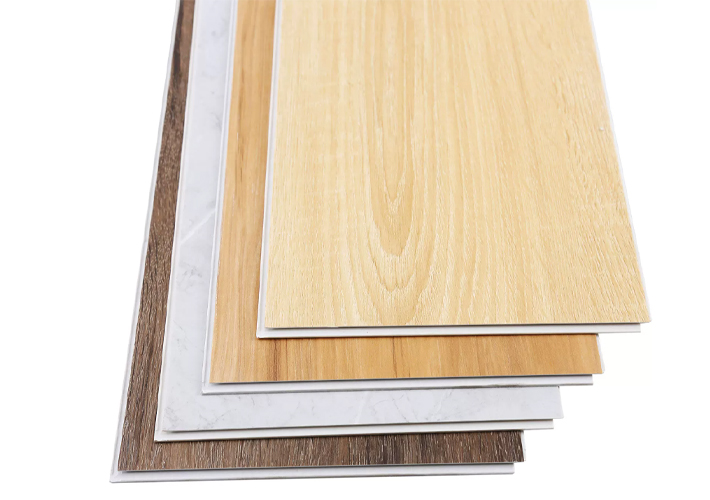
Advanced surface technologies allow SPC flooring to replicate the appearance of:
- Natural wood
- Marble
- Stone
- Concrete textures
Manufacturing technologies such as:
- Embossed-in-Register (EIR)
- Deep embossing
- High-definition printing
These technologies improve the realism and tactile experience of SPC flooring. They also require more advanced embossing equipment, precise production control, and additional manufacturing processes, which may increase production costs.
4. Installation Method and Locking System
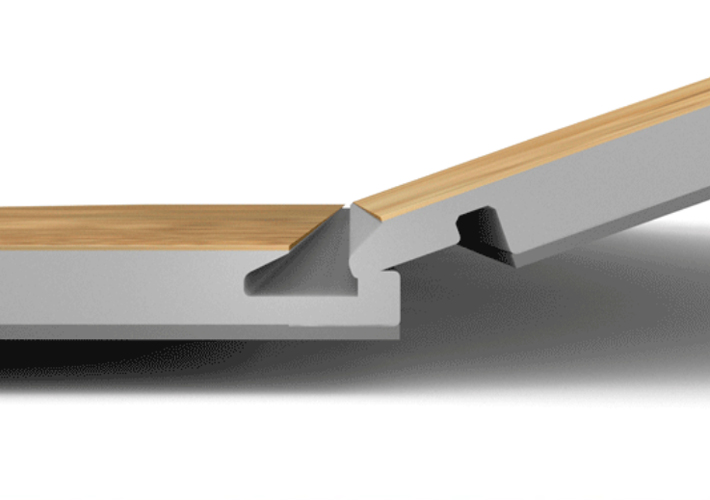
The installation method and locking system can also influence SPC flooring price.
Click-lock SPC flooring requires precise manufacturing processes to ensure accurate fitting, stability, and installation performance. The complexity of the locking profile, production accuracy, and quality control requirements can influence manufacturing costs.
5. Customization and Order Quantity
Customization requirements can also influence SPC flooring price.
OEM colors, private labeling, customized packaging, and special product specifications may require additional production processes and affect the final cost.
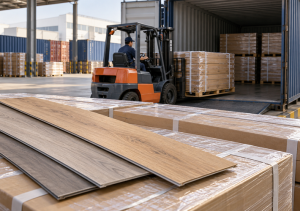
For distributors and bulk buyers, order quantity plays an important role in pricing. Larger orders may provide better unit costs, more flexible customization options, and improved production scheduling.
Other factors that may influence bulk purchasing costs include:
- Packaging requirements
- Container quantity
- Product specifications
- Delivery arrangements
6. Supplier Selection and Logistics
The supplier channel and purchasing method can also affect SPC flooring pricing.
For international buyers, factors such as export experience, shipping terms, production capacity, and supply reliability are also important considerations when selecting a supplier.
Why Work with an SPC Flooring Manufacturer Directly?
For distributors, wholesalers, contractors, and project developers, working directly with an SPC flooring manufacturer provides advantages beyond competitive pricing.
A reliable manufacturer can support:
- Consistent product quality through strict production control
- Customized SPC flooring specifications for different markets
- OEM and private label services
- Flexible packaging solutions
- Stable production capacity and supply reliability
- Technical support for different project requirements
Compared with purchasing through multiple distribution channels, factory-direct sourcing allows buyers to better control product quality, cost efficiency, and delivery schedules. Factory-direct sourcing can also provide more transparent pricing and flexible product solutions for different market requirements.
SPC Flooring Price vs Other Flooring Types
When evaluating flooring cost, buyers should consider not only the initial purchase price but also long-term performance and maintenance requirements.
| Flooring Type | Cost Consideration | Advantages |
|---|---|---|
| SPC Flooring | Medium investment with strong long-term value | Waterproof, durable, low maintenance |
| LVT Flooring | Similar price range depending on thickness and installation method | Wide design choices and flexible installation options |
| Laminate Flooring | Lower initial investment | Affordable but more sensitive to moisture |
| Hardwood Flooring | Higher investment | Natural appearance and premium feel |
While some materials may have lower initial costs, SPC flooring often provides better long-term value because of its durability, waterproof performance, and easy maintenance.
Is More Expensive SPC Flooring Better?
A higher SPC flooring price does not always guarantee better performance. The right choice depends on project requirements and product specifications.
Premium SPC flooring may provide advantages such as:
- Higher core stability
- Thicker wear layer protection
- More realistic surface designs
- Better locking system performance
- Longer service life
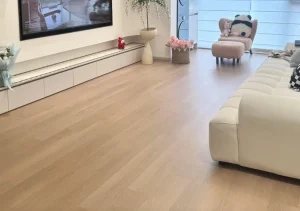
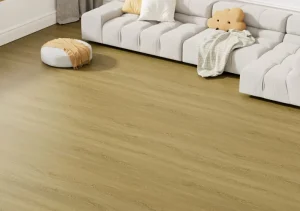
For residential projects, standard SPC flooring may already provide sufficient performance.
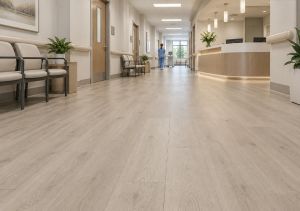
For commercial applications, investing in higher-quality SPC flooring can help reduce maintenance requirements and replacement costs over time.
How to Choose SPC Flooring Based on Budget and Requirements?
Instead of choosing SPC flooring only based on price, buyers should consider the following factors:
Residential Projects
Recommended considerations:
- Suitable wear layer thickness
- Comfortable thickness structure
- Reliable click-lock system
- Preferred design options
Residential projects usually focus on appearance, maintenance requirements, comfort, and long-term durability.
Commercial Projects
Commercial environments usually require stronger specifications.
Important factors include:
- Thicker wear layer
- Higher-density SPC core
- Strong locking system
- Better abrasion resistance
Applications may include:
- Hotels
- Offices
- Retail stores
- Restaurants
- Healthcare facilities
Distributor and Wholesale Purchasing
For distributors, price is only one part of the decision.
Important considerations include:
- Factory production capacity
- Quality control system
- Customization capability
- Certifications and testing
- Delivery reliability
- Market-specific product requirements
- Long-term supply stability
A reliable SPC flooring manufacturer can provide more than competitive pricing, including technical support, quality assurance, customization options, and stable supply.
Get a Customized SPC Flooring Quote
SPC flooring prices vary depending on product structure, specifications, order quantity, and customization requirements.
If you are sourcing SPC flooring for residential projects, commercial applications, or wholesale distribution, our team can provide a customized solution based on your market needs.
Contact Changflor today for a customized SPC flooring quotation based on your specifications, order quantity, and market requirements.
Frequently Asked Questions About SPC Flooring Price
1. Why do SPC flooring prices vary so much?
SPC flooring prices vary because products differ in core quality, wear layer thickness, thickness structure, surface technology, installation system, and manufacturing standards.
2. Is cheaper SPC flooring lower quality?
Not necessarily. However, extremely low-priced SPC flooring may use different materials, thinner wear layers, or simplified structures that affect long-term performance.
Buyers should evaluate specifications rather than price alone.
3. Can SPC flooring price be customized for bulk orders?
Yes. SPC flooring manufacturers usually provide customized quotations based on order volume, specifications, packaging requirements, and shipping terms.
4. How long does SPC flooring usually last?
High-quality SPC flooring can typically last 15–25 years depending on product specifications, installation quality, and usage conditions.
Conclusion
SPC flooring price depends on much more than the initial product cost. Material quality, product structure, wear layer thickness, surface technology, installation method, customization requirements, and supplier capability all influence the overall value of an SPC flooring solution.
For homeowners, contractors, distributors, and project developers, selecting the right SPC flooring specification is more important than simply choosing the lowest-priced option.
When sourcing SPC flooring, partnering with an experienced SPC flooring manufacturer helps ensure consistent quality, flexible customization options, and reliable supply capacity. With extensive manufacturing experience, Changflor provides customized SPC flooring solutions with different thicknesses, wear layers, designs, and packaging options to meet various market requirements.
Whether you need residential SPC flooring, commercial flooring solutions, or OEM manufacturing support, our team can help you select the right product based on your project needs.