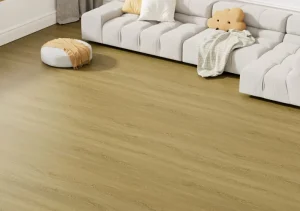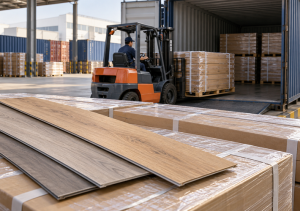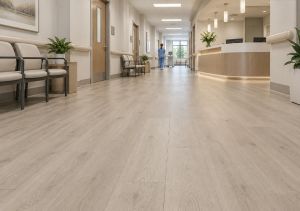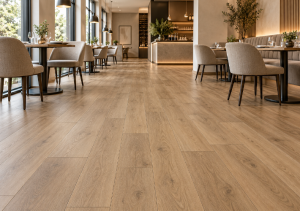
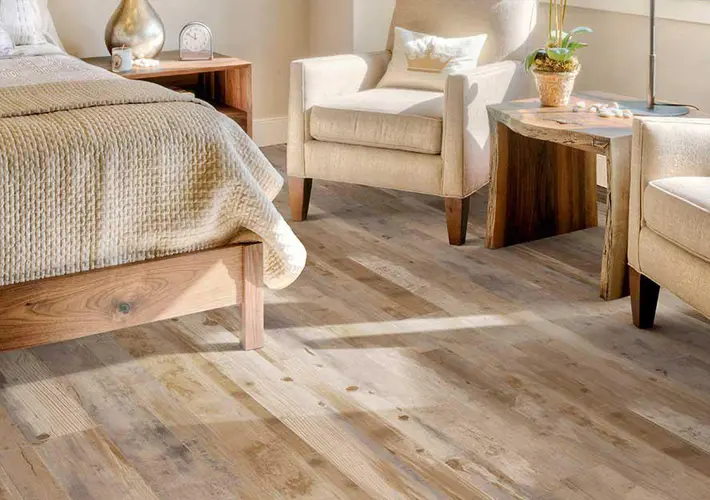
The flooring industry has evolved rapidly over the past decade, and one product that continues to gain popularity worldwide is SPC flooring. Known for its durability, waterproof performance, and realistic wood and stone appearance, SPC flooring has become a preferred choice for residential, commercial, and hospitality projects.
Whether you are a homeowner planning a renovation, a contractor searching for reliable flooring solutions, or a distributor looking for profitable flooring products, understanding SPC flooring can help you make better purchasing decisions.
In this guide, we’ll explain what SPC flooring is, how it is made, its advantages, applications, and why it has become one of the fastest-growing flooring categories in the global market.
SPC Flooring Structure
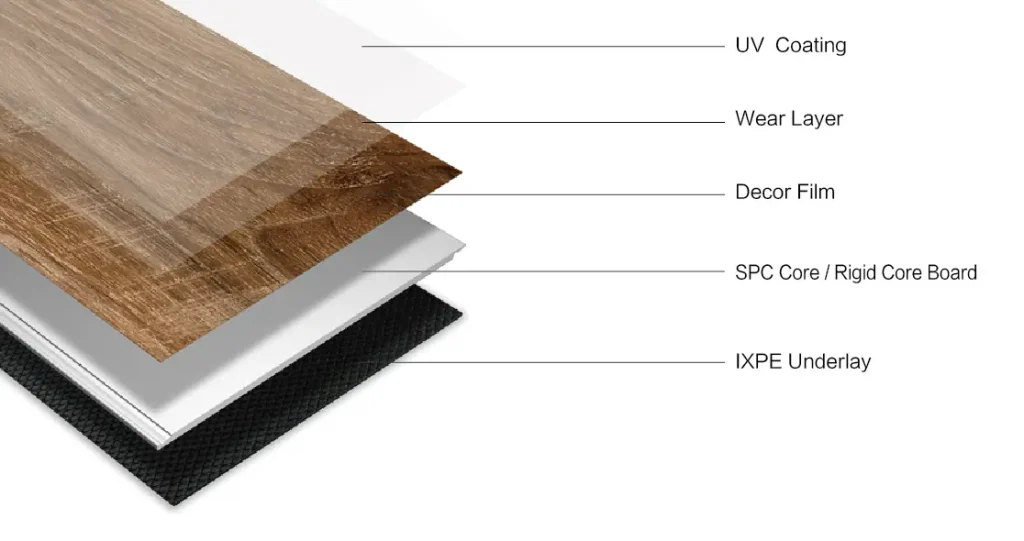
Most SPC flooring products consist of several layers:
UV Coating
The top UV layer protects the surface from scratches, stains, and daily wear while making cleaning easier.
Wear Layer
A transparent wear layer provides protection against foot traffic and extends the floor’s lifespan.
Decorative Film
This layer creates the realistic appearance of natural wood, stone, or tile.
Advanced printing technology allows SPC flooring to replicate authentic textures and patterns.
SPC Core Layer
The rigid SPC core is the foundation of the product.
It delivers:
- Superior stability
- Waterproof performance
- Impact resistance
- Indentation resistance
Underlayment
Many SPC floors come with an attached IXPE or EVA underlayment to improve sound absorption and walking comfort.
Key Benefits of SPC Flooring
100% Waterproof
One of SPC flooring’s biggest advantages is its complete waterproof construction.
Unlike hardwood flooring, SPC flooring will not swell, warp, or rot when exposed to moisture.
This makes it ideal for:
- Kitchens
- Bathrooms
- Laundry rooms
- Basements
- Commercial spaces
Exceptional Durability
The rigid core structure can withstand heavy foot traffic, furniture movement, and daily wear.
As a result, SPC flooring is widely used in:
- Residential homes
- Retail stores
- Hotels
- Restaurants
- Offices
Easy Installation
Most SPC flooring products feature click-lock systems that allow fast floating-floor installation.
Benefits include:
- Reduced labor costs
- Faster project completion
- Minimal disruption during renovations
Realistic Appearance
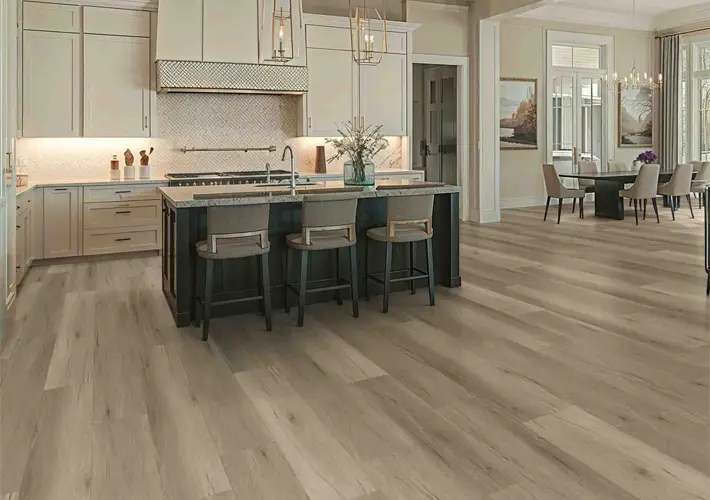
Modern SPC flooring can accurately imitate:
- Oak flooring
- Walnut flooring
- Maple flooring
- Marble flooring
- Stone tiles
Embossed-in-register (EIR) technology further enhances realism by matching texture with printed patterns.
Low Maintenance
Routine cleaning usually requires only:
- Sweeping
- Vacuuming
- Damp mopping
No waxing, polishing, or special maintenance is needed.
Improved Stability
Compared with traditional vinyl flooring, SPC flooring performs better under temperature fluctuations.
This stability reduces the risk of expansion and contraction.
Common Applications of SPC Flooring
Residential Projects
SPC flooring is frequently installed in:
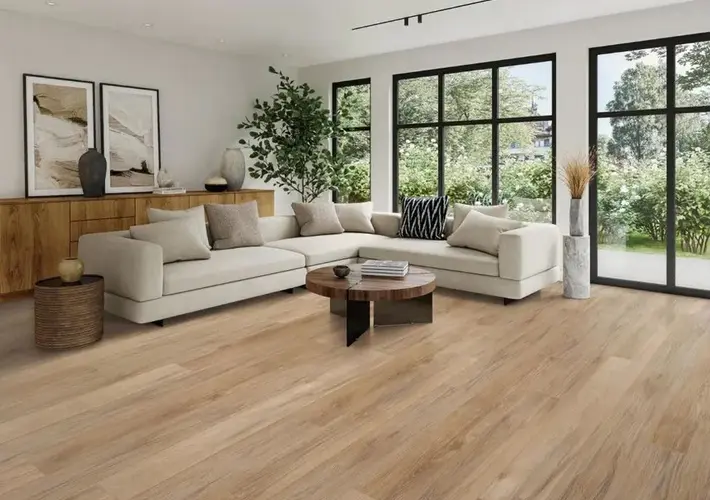
- Living rooms
- Bedrooms
- Kitchens
- Bathrooms
- Hallways
Commercial Projects
Businesses choose SPC flooring because it combines aesthetics with long-term durability.
Popular applications include:
- Offices
- Shopping malls
- Retail stores
- Restaurants
- Hotels
Multifamily Housing
Property developers appreciate SPC flooring for its easy maintenance and long service life.
SPC Flooring vs Traditional Flooring
SPC Flooring vs Hardwood Flooring
| Feature | SPC Flooring | Hardwood Flooring |
|---|---|---|
| Waterproof | Yes | No |
| Maintenance | Low | High |
| Cost | Lower | Higher |
| Durability | Excellent | Moderate |
| Installation | Easy | More Complex |
SPC Flooring vs Ceramic Tile
SPC flooring provides:
- Faster installation
- Better comfort underfoot
- Lower installation costs
- Reduced risk of cracking
How Long Does SPC Flooring Last?
The lifespan of SPC flooring depends on product quality and usage conditions.
High-quality SPC flooring can typically last:
- 15–20 years in residential applications
- 10–15 years in commercial environments
Premium products with thicker wear layers may perform even longer.
Is SPC Flooring Environmentally Friendly?
Many modern SPC flooring manufacturers produce flooring that complies with international environmental standards.
Look for products certified by:
- FloorScore
- CE
- SGS
- ISO Quality Systems
These certifications help ensure low VOC emissions and safe indoor air quality.
Why Choose SPC Flooring?
SPC flooring combines the best characteristics of modern flooring technology:
- Waterproof construction
- Superior durability
- Easy installation
- Realistic appearance
- Low maintenance
- Cost efficiency
For homeowners, contractors, distributors, and developers, SPC flooring offers an ideal balance between performance and affordability.
Conclusion
As global demand for durable and waterproof flooring continues to grow, SPC flooring has become one of the most popular choices in both residential and commercial markets.
Its rigid core technology, realistic designs, and long-term performance make it a practical investment for almost any flooring project.
Whether you are renovating a home, managing a commercial development, or sourcing flooring products for distribution, SPC flooring provides a reliable and cost-effective solution for modern spaces.