Introduction
With the increasing demand for durable, waterproof, and stable flooring solutions, SPC flooring technology has become a major innovation in the luxury vinyl flooring industry. For homeowners, contractors, and flooring distributors, understanding SPC flooring technology helps evaluate product performance, durability, and suitability for different applications.
Unlike conventional vinyl flooring, SPC (Stone Plastic Composite) flooring uses a strong rigid core made from limestone powder and PVC materials, creating a highly stable flooring structure that performs well in residential, commercial, and high-traffic environments.
From waterproof performance and easy installation to realistic surface designs, SPC flooring technology enables manufacturers to provide durable, efficient, and visually appealing flooring solutions for different applications.allation efficiency.
What Is SPC Flooring Technology?
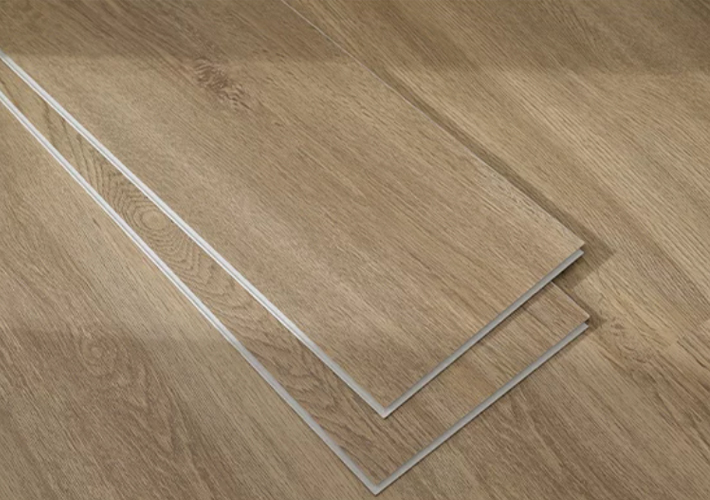
SPC flooring technology refers to the advanced manufacturing process and material structure used to produce Stone Plastic Composite flooring. The key innovation is the rigid core layer, which combines natural limestone powder, PVC resin, and stabilizing additives to create a strong and dimensionally stable flooring core. These technologies allow SPC flooring to achieve better stability, durability, and waterproof performance, making it suitable for both residential and commercial projects.
The main layers of SPC flooring typically include:
- UV protective coating
- Wear layer
- Decorative film layer
- SPC rigid core layer
- Underlayment layer
Each layer plays an important role in improving the flooring’s durability, appearance, comfort, and overall performance.
The Advanced Structure Behind SPC Flooring Technology
1. UV Coating Layer: Enhanced Surface Protection
The UV coating is the first protective layer of SPC flooring. It helps improve resistance against scratches, stains, and daily wear while protecting the decorative surface from fading caused by sunlight exposure.
Advanced UV coating technology also improves cleanability and maintenance efficiency, making SPC flooring particularly suitable for commercial environments such as offices, hotels, and retail stores.
2. Wear Layer: Improving Durability and Service Life
The wear layer is a transparent protective layer located above the decorative film. Its thickness directly affects the flooring’s resistance to abrasion, scratches, and heavy foot traffic. Selecting the right wear layer thickness allows manufacturers to provide solutions for different traffic levels, from residential homes to high-traffic commercial environments.
Different wear layer specifications can be selected according to application requirements, including residential, light commercial, and high-traffic environments.
For example:
- Residential projects may use standard wear layers for daily household use.
- Commercial projects may require thicker wear layers for areas with higher traffic.
This flexibility makes SPC flooring suitable for various environments, from homes to commercial buildings.
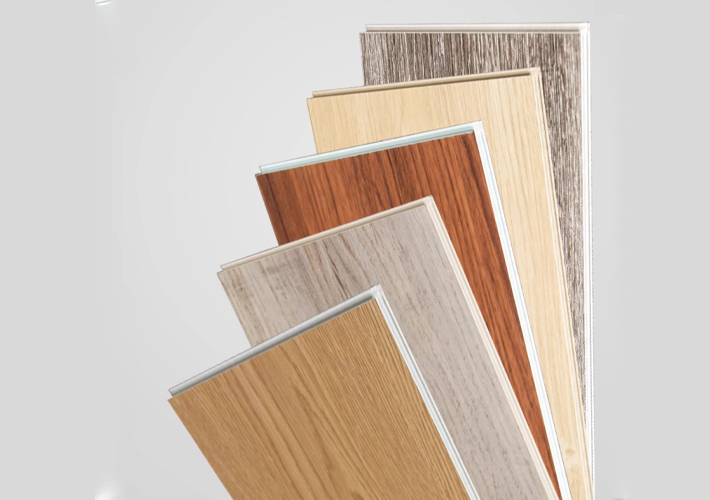
3. Decorative Film Layer: Realistic Wood and Stone Appearance
One of the major advancements in SPC flooring technology is the improvement of surface design capabilities.
Through high-definition digital printing technology, SPC flooring can reproduce the natural appearance of:
- Oak wood
- Walnut
- Marble
- Natural stone
- Concrete textures
Modern manufacturing processes also include technologies such as EIR (Embossed-in-Register), which matches surface textures with printed patterns. This creates a more realistic appearance and tactile experience compared with traditional vinyl flooring.
As a result, SPC flooring can achieve the aesthetic appeal of natural materials while offering better durability and easier maintenance.
4. SPC Rigid Core Layer: The Key Technology Advantage
The rigid core layer is the defining feature of SPC flooring.
Made from a stone-plastic composite formula, this core provides:
- Excellent dimensional stability
- Strong impact resistance
- High water resistance
- Resistance to temperature changes
These properties allow SPC flooring to maintain stable performance in environments where traditional flooring materials may experience expansion, contraction, or moisture-related issues.
This also makes SPC flooring an ideal choice for areas where traditional flooring materials may face challenges, including kitchens, bathrooms, basements, and commercial spaces.
5. Underlayment Layer: Improved Comfort and Sound Performance
Many SPC flooring products include attached underlayment made from materials such as IXPE or EVA foam.
This layer helps:
- Reduce walking noise
- Improve underfoot comfort
- Simplify installation
- Provide additional moisture protection
The combination of rigid core technology and underlayment systems creates a balanced flooring solution that offers both durability and comfort.
Key Innovations in Modern SPC Flooring
Waterproof Core Technology
One of the biggest advantages of SPC flooring is its water-resistant construction. However, proper installation, joint protection, and subfloor preparation remain important for long-term performance.
Traditional wood flooring can be damaged by prolonged moisture exposure, while SPC flooring’s stone-plastic composite core provides excellent water resistance and helps prevent structural damage caused by moisture exposure.
Because of this feature, waterproof SPC flooring is widely used in:
- Bathrooms
- Kitchens
- Hotels
- Restaurants
- Commercial buildings
The waterproof performance expands the application possibilities of luxury vinyl flooring and provides more reliable solutions for modern construction projects.
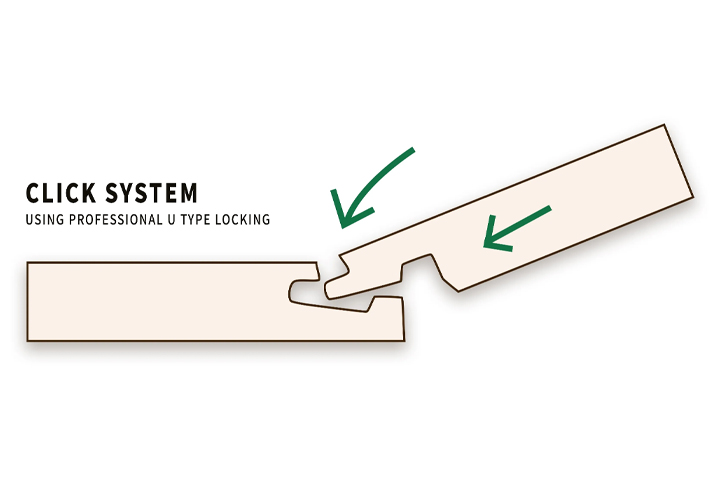
Click Lock Installation Technology
Another important development in SPC flooring is the click-lock installation system.
Unlike glue-down flooring, click SPC flooring uses an interlocking mechanism that allows planks to connect securely without adhesives.
Benefits include:
- Faster installation
- Reduced labor costs
- Easy maintenance
- Floating floor installation
For contractors and commercial projects, efficient installation can significantly reduce construction time and improve project efficiency.
Advanced Surface Embossing Technology
Surface technology has become a major focus in SPC flooring manufacturing.
Through advanced embossing techniques, manufacturers can create realistic textures that closely match natural materials.
Popular surface finishes include:
- Wood grain textures
- Deep embossing
- Synchronized embossing
- Stone textures
Key Benefits of SPC Flooring
Superior Durability
Thanks to its rigid core structure and protective surface layers, SPC flooring offers excellent resistance against scratches, impacts, and daily wear. For commercial projects, this helps reduce replacement frequency and long-term maintenance costs.
This makes it suitable for both residential and commercial applications, including areas with heavy foot traffic.
Excellent Dimensional Stability
The stone-plastic composite core provides better stability compared with traditional vinyl flooring.
SPC flooring has lower expansion and contraction rates, allowing it to maintain performance under different temperature and humidity conditions.
Easy Maintenance
SPC flooring requires minimal maintenance compared with natural flooring materials.
Routine cleaning usually only requires:
- Sweeping
- Vacuuming
- Damp mopping
Its stain-resistant surface helps maintain a clean appearance for longer periods.
Easy Installation and Repair
Modern SPC flooring systems not only simplify installation but also make repairs more convenient. Depending on the installation method and the location of the damaged plank, repairs or plank replacement may be possible. Buyers should confirm the recommended repair procedure with the supplier before installation.
SPC Flooring Applications
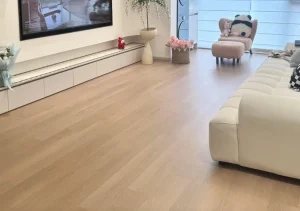
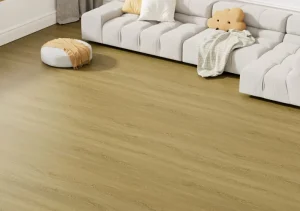
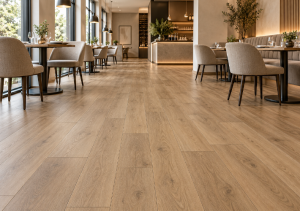
Due to its combination of durability, waterproof performance, and design flexibility, SPC flooring is widely used in residential and commercial projects.
Residential Applications
- Homes
- Apartments
- Kitchens
- Bathrooms
- Living spaces
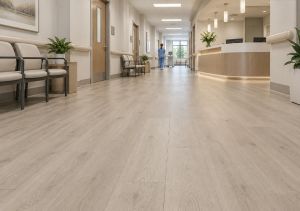
Commercial Applications
- Hotels
- Offices
- Retail stores
- Restaurants
- Educational facilities
- Healthcare environments
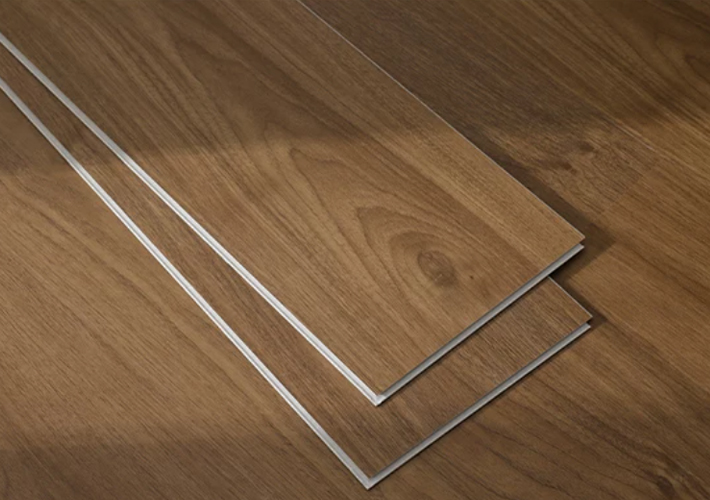
How to Choose SPC Flooring Based on Specifications and Project Requirements
- Total thickness and core thickness
- Wear-layer thickness
- Click-lock system
- Attached IXPE or EVA underlayment
- Surface finish and EIR options
- Required testing and market compliance documents
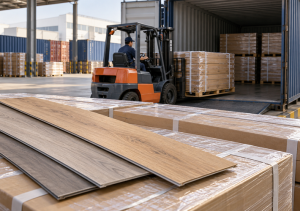
- Packaging, MOQ, lead time, and customization options
To explore available product specifications and design options, visit Changflor’s SPC flooring options.
Product Safety and Compliance Considerations
Product safety and compliance requirements may vary by destination market. When sourcing SPC flooring, buyers should confirm the relevant test reports, material declarations, and compliance documentation required for their market. Depending on the product specification and target region, this may include testing by an accredited laboratory and relevant REACH compliance documentation.
SPC Flooring Technology vs Traditional Flooring Materials
| Feature | SPC Flooring | Hardwood Flooring | Ceramic Tile |
|---|---|---|---|
| Waterproof Resistance | High | Limited | High |
| Installation | Fast click installation | More complex | Labor intensive |
| Maintenance | Easy | Requires more care | Medium |
| Stability | High | Sensitive to moisture | High |
| Design Options | Wide range | Natural appearance | Various styles |
| Cost Efficiency | High | Higher cost | Medium |
SPC flooring provides a balanced solution by combining the appearance of natural materials with advanced performance characteristics.
Frequently Asked Questions About SPC Flooring Technology
What is SPC flooring technology?
SPC flooring technology refers to the material structure and manufacturing processes used to produce Stone Plastic Composite flooring. Its key feature is a rigid core made from limestone powder, PVC resin, and stabilizing additives, which helps improve dimensional stability, durability, and water resistance.
Is SPC flooring waterproof?
SPC flooring planks have a water-resistant rigid core and are suitable for moisture-prone areas such as kitchens, bathrooms, and commercial spaces. However, installation quality, joints, edges, and subfloor conditions should also be properly managed to protect the overall flooring system.
What SPC flooring specifications should commercial buyers consider?
Commercial buyers should evaluate total thickness, wear-layer thickness, locking system, surface finish, attached underlayment, required compliance documents, packaging, and lead time. The right specification depends on traffic level, installation conditions, target market, and project requirements.
Conclusion
SPC flooring technology has transformed the flooring industry by combining rigid core construction, waterproof performance, advanced surface design, and efficient installation systems.
With excellent durability, dimensional stability, and versatile applications, SPC flooring has become a preferred choice for residential and commercial projects worldwide.
Looking for the right SPC flooring solution for your market or project? Contact Changflor with your required thickness, wear layer, design, and order quantity. Our team can recommend suitable specifications and customization options.