Introduction
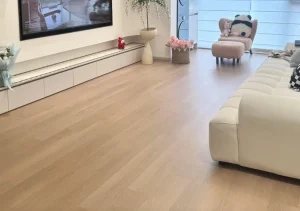
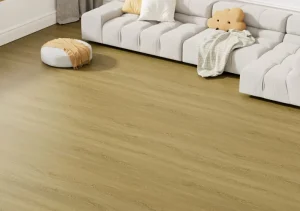
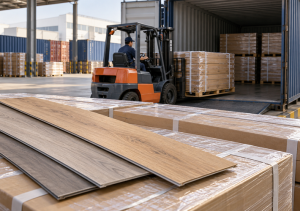
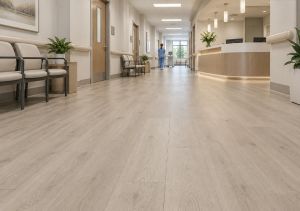
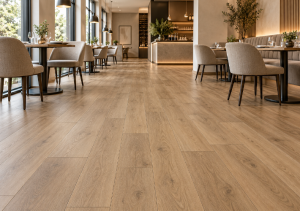
Luxury Vinyl Tile (LVT) flooring has become a popular flooring solution for residential, commercial, and hospitality projects because it combines realistic designs, durability, easy maintenance, and flexible installation options.
However, LVT flooring is not a single product category. Based on different installation methods and performance characteristics, LVT can be divided into several main types, including Dry Back LVT, Click LVT, Loose Lay LVT, and Self Adhesive LVT.
Each LVT type has different installation requirements, performance characteristics, and suitable applications. For homeowners, contractors, developers, and flooring distributors, understanding these differences helps select the right flooring solution based on project requirements, traffic levels, installation conditions, budget, and long-term performance expectations.
This guide explains the four main types of LVT flooring, their advantages and limitations, and how to choose the most suitable LVT solution for different applications.
What Are the Different Types of LVT Flooring?
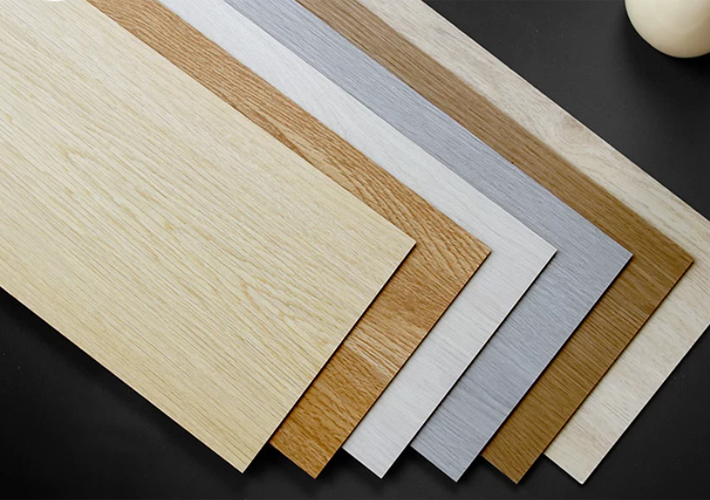
LVT types are mainly categorized based on their installation methods and performance characteristics.
The four main types of LVT flooring include:
- Dry Back LVT (Glue Down LVT)
- Click LVT (Floating LVT)
- Loose Lay LVT
- Self Adhesive LVT
1. Dry Back LVT (Glue Down LVT)
What Is Dry Back LVT?
Dry Back LVT, also known as Glue Down LVT, is one of the most traditional types of luxury vinyl flooring.
During installation, adhesive is applied to the prepared subfloor, and the LVT planks or tiles are permanently bonded to the surface.
Because the flooring is directly bonded to the subfloor, Dry Back LVT provides excellent stability and is widely used in commercial environments where long-term durability is required.
Advantages of Dry Back LVT
Excellent Stability
The glue-down installation method creates a strong connection between the flooring and subfloor, reducing movement after installation.
This makes Dry Back LVT suitable for applications that require reliable flooring performance, including:
- Offices
- Retail stores
- Hotels
- Public buildings
Suitable for High-Traffic Applications
Disadvantages of Dry Back LVT
Despite its advantages, Dry Back LVT also has some limitations:
- Requires professional installation
- Subfloor preparation is critical
- Removal and replacement can be more difficult compared with floating flooring
Installation quality depends on proper adhesive selection and suitable subfloor conditions, especially for large commercial projects.
2. Click LVT (Floating LVT)
What Is Click LVT?
Click LVT is a type of luxury vinyl flooring that uses an interlocking click system to lock planks or tiles together.
Unlike Dry Back LVT, Click LVT generally does not require adhesive installation. This makes it suitable for renovation projects and applications requiring faster installation.
Advantages of Click LVT
Fast and Efficient Installation
The click-lock system allows planks to be connected quickly without adhesive.
Suitable for Renovation Projects
Because Click LVT does not require adhesive, it can often be installed over suitable existing flooring surfaces when proper preparation is completed.
This makes it especially suitable for renovation projects where minimizing disruption is important, such as hotels, apartments, and commercial refurbishment projects.
Easier Replacement and Maintenance
If individual planks become damaged, Click LVT can often be removed and replaced more easily compared with glued flooring.
Disadvantages of Click LVT
The limitations of Click LVT include:
- Usually higher material cost compared with some glue-down options
- Requires a relatively flat subfloor
- Expansion gaps may be required during installation
Buyers should carefully evaluate locking system quality, wear layer performance, and product specifications.
3. Loose Lay LVT
What Is Loose Lay LVT?
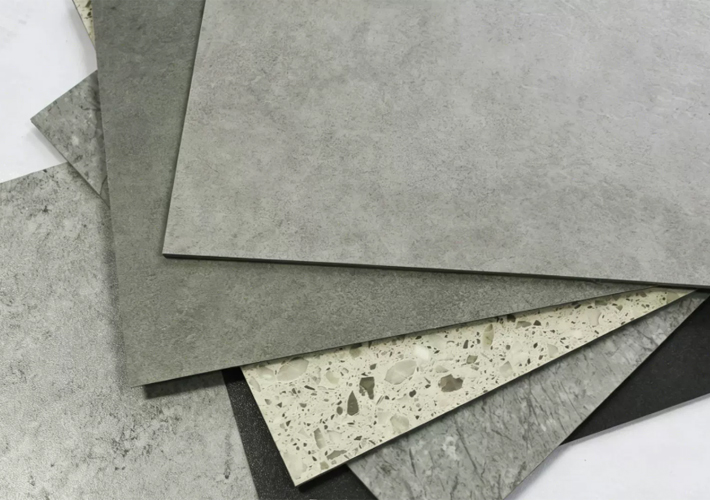
Loose Lay LVT is designed to be installed without glue-down adhesive or click-lock systems.
Instead, it uses a specially engineered backing layer that creates friction between the flooring and subfloor, helping keep the planks or tiles in position.
This installation method provides flexibility and is often selected for retail spaces, commercial renovations, and projects requiring fast installation.
Advantages of Loose Lay LVT
Fast Installation
Loose Lay LVT can reduce installation time because no adhesive or locking system is required.
Easy Removal and Replacement
The flooring can be lifted and replaced without damaging the subfloor, making it suitable for:
- Retail renovations
- Exhibition spaces
- Rental properties
- Commercial remodeling projects
Disadvantages of Loose Lay LVT
Potential limitations include:
- Requires proper subfloor conditions
- Performance depends on backing design and product quality
- May not be suitable for every application without evaluating traffic levels and installation conditions
Selecting a reliable LVT manufacturer is important to ensure consistent quality, stability, and long-term performance.
4. Self Adhesive LVT
What Is Self Adhesive LVT?
Self Adhesive LVT, also known as Peel and Stick LVT, features a pre-applied adhesive backing.
During installation, users remove the protective film and place the flooring directly onto the prepared surface.
This type of LVT is commonly selected for small renovation projects and applications where convenient installation is required.
Advantages of Self Adhesive LVT
Simple Installation
Self Adhesive LVT does not require additional glue or complex installation tools.
This makes it convenient for:
- Small residential projects
- Renovation projects
Disadvantages of Self Adhesive LVT
However, Self Adhesive LVT may have some limitations:
- Adhesive performance depends on installation conditions
- Requires a clean and smooth installation surface
- May not be suitable for heavy commercial traffic
For large-scale commercial projects, Dry Back, Click, or Loose Lay LVT may provide better long-term performance depending on project requirements.
Dry Back vs Click vs Loose Lay vs Self Adhesive LVT: Key Differences and Applications
| Type | Installation | Stability | Installation Speed | Best Applications |
|---|---|---|---|---|
| Dry Back | Glue-down | Excellent | Medium | Hotels, retail, offices |
| Click | Floating | Good | Fast | Residential, renovation |
| Loose Lay | Adhesive-free | Good | Very fast | Retail refurbishment |
| Self Adhesive | Peel-and-stick | Moderate | Fast | Small projects |
How to Choose the Right Type of LVT Flooring?
Selecting the right type of LVT flooring depends on project application, traffic level, installation requirements, maintenance expectations, and product specifications.
1. Consider Project Application and Traffic Level
Hotels, retail stores, residential projects, and commercial spaces may require different flooring performance levels.
For example:
- Hotels often prioritize durability, design flexibility, and long-term appearance.
- Retail stores may require easy maintenance and efficient installation.
- Residential projects may focus on installation convenience, aesthetics, and cost control.
For high-traffic environments, buyers should evaluate:
- Wear layer thickness
- Surface durability
- Overall product performance
- Expected service life
2. Consider Installation Requirements
Installation conditions and project schedules can influence the most suitable LVT type.
If fast installation is a priority:
- Click LVT provides efficient floating installation
- Loose Lay LVT allows quick installation and easier removal
3. Consider Maintenance and Long-Term Requirements
Projects requiring easier replacement or future flexibility may benefit from:
- Click LVT
- Loose Lay LVT
Buyers should also evaluate product specifications, including:
- Wear layer performance
- Product thickness
- Surface treatment
- Installation system
- Warranty and expected service conditions
4. Consider Supplier Capability
For distributors, contractors, and project buyers, supplier capability is also an important consideration.
Factors such as production consistency, customization options, quality control, and technical support can affect the long-term success of an LVT flooring project.
Frequently Asked Questions About LVT Flooring Types
1. Which type of LVT flooring is best for commercial projects?
For commercial projects, the best type of LVT flooring depends on traffic levels, installation requirements, and maintenance expectations.
Dry Back LVT is commonly selected for high-traffic commercial environments because it provides excellent stability and strong bonding performance.
However, Click LVT and Loose Lay LVT can also be suitable for commercial applications where faster installation, easier replacement, or renovation flexibility are important.
2. What is the difference between Dry Back LVT and Click LVT?
The main difference is the installation method.
Dry Back LVT is glued directly to the subfloor, providing strong bonding performance and stability. Click LVT uses an interlocking system, allowing faster installation without adhesive.
The right choice depends on project requirements, traffic levels, and installation preferences.
3. Is Loose Lay LVT suitable for commercial renovation projects?
Yes. Loose Lay LVT can be used for many commercial applications, especially renovation projects, retail spaces, and environments where fast installation and easy replacement are important.
The final selection should consider product quality, backing design, traffic levels, and installation conditions.
Conclusion
LVT flooring offers multiple installation options to meet different project requirements.
There is no single “best” type of LVT flooring. The right choice depends on factors such as project location, traffic level, installation requirements, maintenance expectations, product specifications, and budget.
For distributors, contractors, and project owners, selecting the right LVT solution also requires evaluating supplier capability, product consistency, customization options, and long-term support.
As an experienced LVT flooring manufacturer, we provide various LVT flooring solutions for residential, commercial, and hospitality projects, including Dry Back LVT, Click LVT, Loose Lay LVT, and customized designs and specifications based on different project requirements. Contact us to discuss your flooring needs and receive professional solutions.