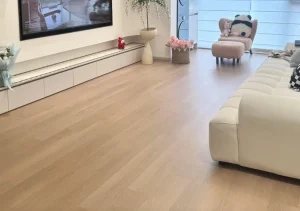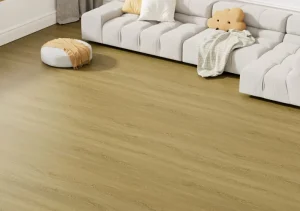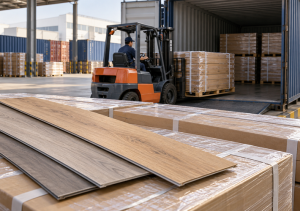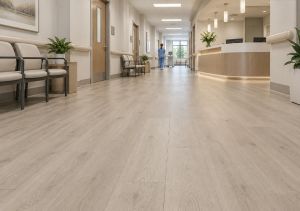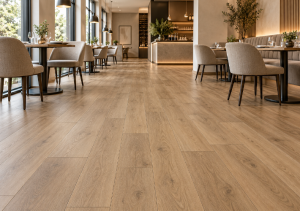
If you are wondering what is LVT flooring and why it has become a popular choice for residential and commercial projects, this guide will provide a complete overview.
LVT flooring, short for Luxury Vinyl Tile flooring, is a multi-layer resilient flooring product designed to combine realistic appearance, durability, moisture resistance, and easy maintenance. Through advanced printing and embossing technologies, LVT can reproduce the natural look of materials such as hardwood, stone, marble, and ceramic tile while offering better flexibility and cost efficiency.
Unlike traditional vinyl flooring, LVT provides a more premium appearance and improved performance through its multi-layer structure. It is available in various designs, thicknesses, wear layer options, and installation methods, allowing it to meet different project requirements.
Today, LVT flooring is widely used in homes, offices, hotels, retail stores, educational facilities, and healthcare environments. For distributors, contractors, and project developers, choosing the right product specification and a reliable LVT flooring manufacturer is essential to ensure consistent quality and long-term performance.
This guide explains what LVT flooring is, its structure, different types, advantages, applications, and how to choose the right product for your project.
What Does LVT Stand For?
LVT stands for Luxury Vinyl Tile.
It is a type of resilient flooring mainly made from PVC materials combined with multiple functional layers to improve strength, stability, and decorative performance.
The name reflects three key characteristics:
- Luxury – Unlike standard vinyl, LVT uses high-definition printing and embossing to create realistic wood, stone, and carpet designs with premium visual quality.
- Vinyl – The PVC-based construction provides durability, flexibility, and moisture resistance.
- Tile – LVT is produced in individual planks or tiles, offering more design flexibility than sheet vinyl.
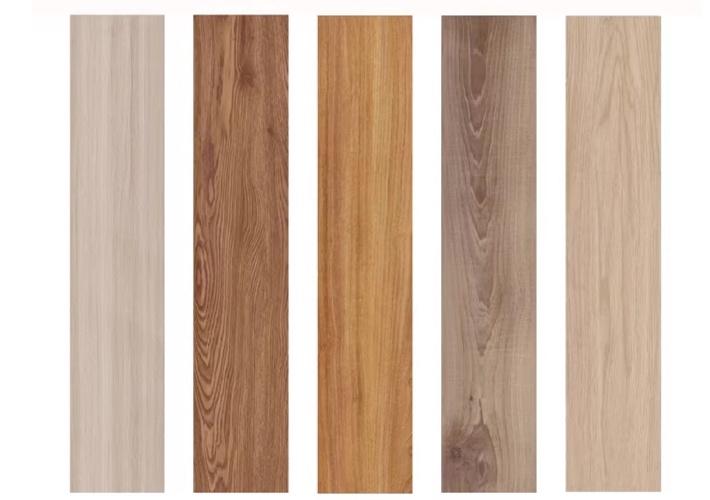
Modern luxury vinyl tile flooring is available in various styles, including:
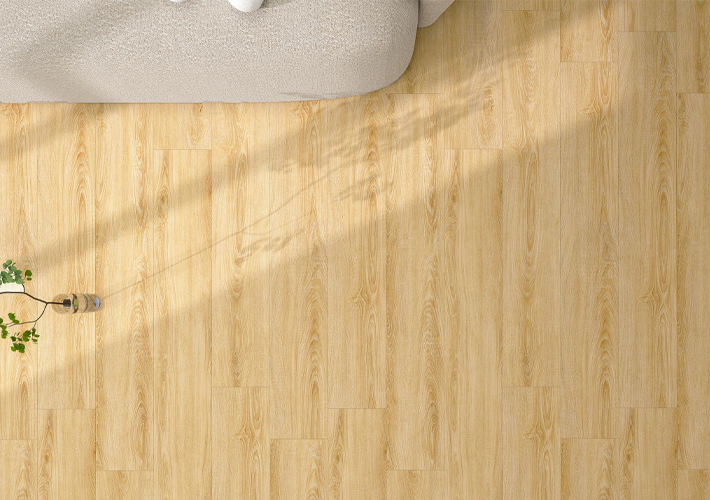
- Wood-look planks
- Stone-look tiles
- Marble look
- Concrete look
This combination of appearance and practicality makes LVT a popular flooring choice for many residential and commercial applications.
Structure of LVT Flooring
A typical LVT flooring product contains several functional layers, with each layer contributing to its overall performance.
1. UV Coating Layer
The UV coating protects the surface from daily wear, stains, and color fading while improving cleaning performance.
2. Wear Layer
The wear layer is a transparent protective layer that determines the durability of LVT flooring.
Common wear layer options include:
| Wear Layer Thickness | Recommended Application |
|---|---|
| 0.10mm–0.20mm | Light residential areas |
| 0.30mm–0.35mm | Residential and light commercial applications |
| 0.50mm–0.55mm | Commercial applications such as offices and retail stores |
| 0.70mm | High-traffic commercial areas |
Choosing the correct wear layer depends on foot traffic, application environment, and expected service life. Buyers should also consider total thickness, as thicker products generally provide better comfort, sound performance, and dimensional stability.
3. Decorative Layer
The decorative layer provides the visual design of LVT flooring.
Advanced printing technology allows LVT to reproduce natural materials while offering more consistent patterns and wider design options.
4. Core Layer
The core layer provides structural support and influences stability, impact resistance, and walking comfort.
5. Backing Layer
The backing layer improves balance and dimensional stability while supporting the overall flooring structure.
How Is LVT Flooring Made?
LVT flooring is produced through a multi-layer manufacturing process that combines PVC materials, decorative printing, embossing technology, and surface protection.
The main production steps include:
1. Material Preparation
Manufacturers combine PVC materials and additives to achieve the required flexibility, strength, and dimensional stability for different applications.
2. Layer Lamination
LVT flooring is made by bonding multiple layers together, including the backing layer, core layer, decorative layer, and wear layer. This multi-layer structure improves durability, stability, and overall performance.
3. Printing and Surface Protection
High-definition printing and embossing technologies create realistic wood, stone, and tile patterns, while protective coatings improve scratch resistance, stain resistance, and color stability.
4. Quality Inspection
Finished LVT flooring is inspected for thickness, dimensions, surface quality, and product consistency before shipment.
Advantages of LVT Flooring
LVT flooring has become a preferred flooring solution because it combines aesthetic flexibility with practical performance.
1. Realistic Designs
One of the biggest advantages of LVT flooring is its ability to reproduce the appearance of natural materials.
Through advanced printing and embossing technologies, LVT can imitate:
- Hardwood
- Natural stone
- Marble look
- Concrete look
This allows designers to create premium interior spaces while maintaining easier maintenance and better cost control.
2. Water Resistance
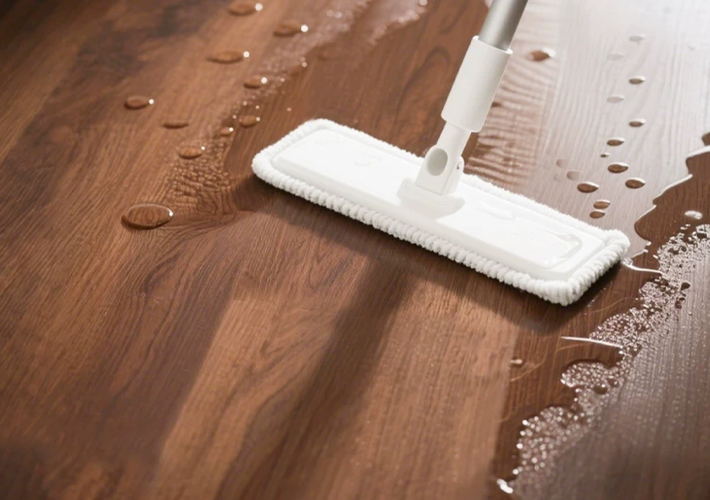
LVT flooring offers excellent water resistance due to its PVC-based construction, making it suitable for areas where moisture exposure may occur, including kitchens, bathrooms, and commercial spaces. Proper installation and subfloor moisture control remain important to ensure long-term performance.
3. Durable Performance and Long Service Life
The service life of LVT flooring depends on wear layer thickness, installation quality, and maintenance. Generally:
- Residential applications: 15–25 years
- Commercial applications: 10–20 years, depending on traffic level and maintenance.
Products with thicker wear layers (0.5mm+) and proper maintenance can last longer. Always check the manufacturer’s warranty and performance specifications for specific product expectations.
4. Easy Maintenance
Compared with natural wood and stone flooring, LVT requires relatively simple maintenance.
Regular care usually includes:
- Sweeping or vacuuming
- Damp mopping
- Using suitable cleaning products
The protective surface layer helps reduce stains and makes daily maintenance easier.
5. Flexible Installation Options
Another important advantage of LVT flooring is the variety of installation systems available.
Depending on project requirements, buyers can choose:
- Glue Down LVT for strong stability
- Click LVT for faster installation
- Loose Lay LVT for flexible replacement
- Self Adhesive LVT for convenient renovation
This flexibility allows LVT to adapt to different project conditions.
6. Cost Efficiency
LVT provides the appearance of premium materials while offering a practical cost advantage.
Compared with natural hardwood or stone, LVT generally provides:
- Lower material costs
- Easier maintenance
- Flexible installation options
- Consistent supply availability
For commercial developers and distributors, these advantages make LVT a competitive flooring solution for large-scale projects.
LVT Flooring vs Traditional Flooring
| Feature | LVT Flooring | Hardwood Flooring |
|---|---|---|
| Appearance | Realistic wood designs | Natural wood appearance |
| Water Resistance | Excellent | Limited |
| Maintenance | Low | Higher |
| Cost | More affordable | Higher |
| Installation | Flexible installation options | More complex |
| Design Options | Wide range of patterns and textures | Limited by natural wood species |
Types of LVT Flooring
LVT flooring is available in different installation systems to meet various project requirements. Common types include:
- Glue Down LVT
- Click LVT
- Loose Lay LVT
- Self Adhesive LVT
Each system offers different advantages in terms of installation method, stability, and project suitability. The right choice depends on factors such as application requirements, installation conditions, and maintenance expectations.
Applications of LVT Flooring
Due to its realistic designs, durability, moisture resistance, and easy maintenance, LVT flooring is widely used in both residential and commercial environments.
Residential Applications
In residential projects, LVT flooring is commonly used in:
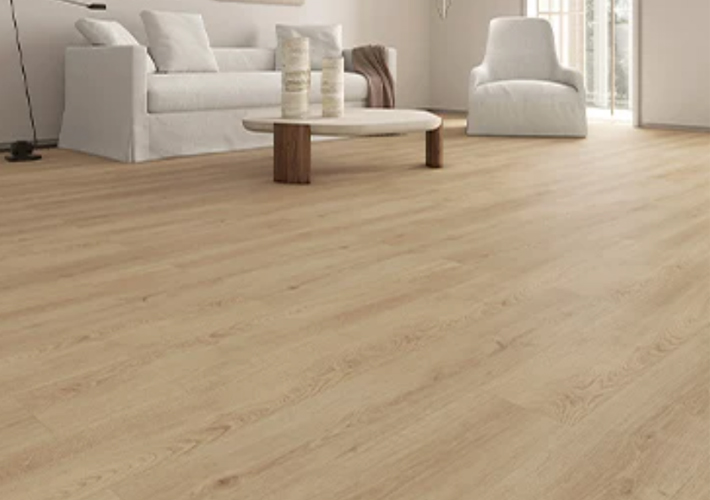
- Living rooms
- Bedrooms
- Kitchens
- Home offices
- Apartments
LVT is popular for homes because it provides the appearance of natural wood or stone while offering easier maintenance and better moisture resistance compared with many traditional flooring materials.
Commercial Applications
LVT flooring is also widely selected for commercial spaces, including:
- Offices
- Hotels
- Retail stores
- Restaurants
- Educational facilities
- Healthcare environments
For commercial projects, buyers often consider factors such as durability, wear resistance, maintenance requirements, and design consistency. LVT provides a flexible flooring solution that can meet the needs of different commercial environments.
Conclusion
So, what is LVT flooring?
LVT flooring is a versatile luxury vinyl flooring solution that combines realistic designs, durability, moisture resistance, easy maintenance, and flexible installation options.
With different installation systems including Dry Back, Click, Loose Lay, and Self Adhesive LVT, it can meet the requirements of various residential and commercial projects.
For buyers seeking a reliable partner for their LVT flooring projects, working with an experienced manufacturer can help ensure consistent quality, timely delivery, and product customization. If you are looking for a reliable LVT flooring manufacturer, contact us to discuss your project requirements and explore customized solutions for your market.