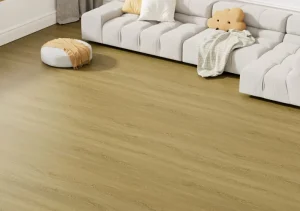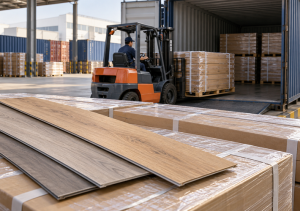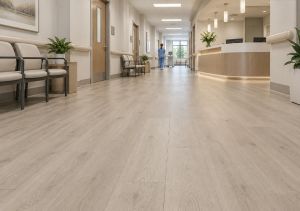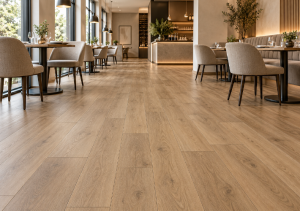
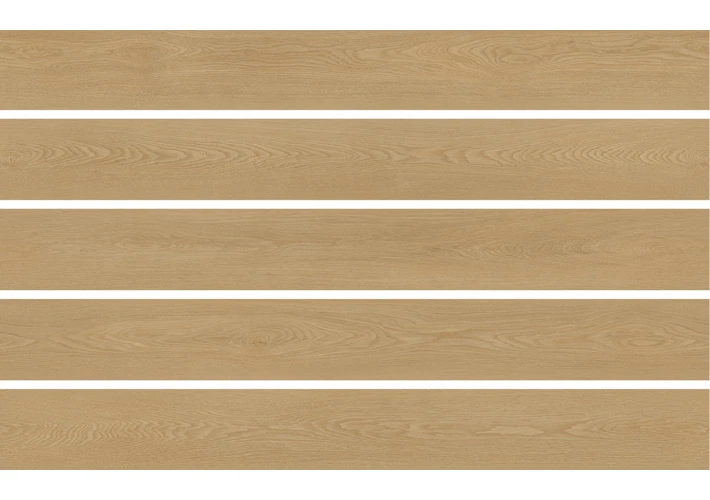
Retail flooring has to do more than look good in a sample board. It has to keep working through daily foot traffic, trolley wheels, deliveries, cleaning routines, seasonal changes, and the practical demands of opening a store on time. At ChangFlor, we help distributors, flooring contractors, and retail project buyers compare those requirements before they choose a product.
For many retail projects, SPC flooring is a strong starting point because it combines a rigid core with a practical wood or stone look. The right specification still depends on the store format, subfloor, traffic level, installation plan, and the way the buyer will maintain the floor. This guide explains how we normally evaluate SPC flooring for retail stores and what information we need before recommending a product or preparing a quotation.
Why SPC Flooring Works Well in Retail Store Projects
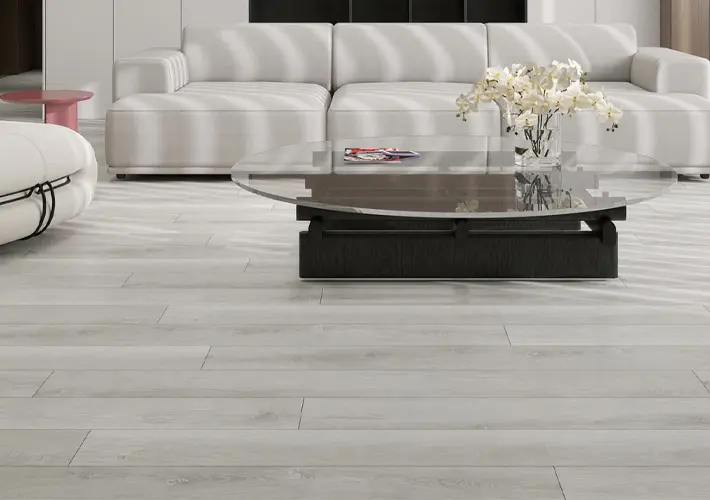
A retail floor is part of the customer experience, but it is also a working surface. A fashion shop may need a warm timber appearance and easy cleaning. A convenience store may place more emphasis on stable walking areas and efficient replacement. A showroom may care most about visual consistency across a large open floor. These are different priorities, even when the buyer uses the same general term: retail flooring.
SPC can be considered when a project needs a rigid click floor, a decorative surface, and a specification that is easier to repeat across several locations. On our SPC product page for NO.1013, for example, the listed construction is PVC + CaCO₃ + additive, with thickness options of 4–8 mm, a wear-resistant layer range of 0.2–0.5 mm, and IXPE or EVA silent-pad options. Those are product-page specifications for that model, not a universal specification for every SPC floor, so we always confirm the final SKU before quotation.
| Retail requirement | What to review | Why it matters to the buyer |
|---|---|---|
| Frequent customer traffic | Wear layer, surface finish, and cleaning plan | Helps match the product to the store’s daily operating conditions |
| Fast installation | Click profile, subfloor readiness, and installer experience | Reduces avoidable delays before opening |
| Brand appearance | Decor, embossing, plank size, and batch consistency | Supports a consistent look across departments or locations |
| Ongoing maintenance | Cleaning method, replacement availability, and care instructions | Makes the floor easier for store teams to manage |
| Multi-store purchasing | SKU continuity, packaging, lead time, and quality control | Improves repeat-order planning and project consistency |
1. Start With the Store’s Traffic and Operating Pattern
“Retail” covers a small boutique, a supermarket aisle, a shopping-mall unit, and a large showroom. The floor does not experience the same load in each setting. Before we discuss colors, we ask where the floor will be installed and how the space will operate.
- Small shops and boutiques: the visual finish, walking comfort, and easy daily cleaning may lead the decision.
- Supermarkets and convenience stores: traffic, trolley movement, spills, and more frequent cleaning deserve closer attention.
- Showrooms: plank appearance, layout, light reflection, and consistent supply can be especially important.
- Shopping-mall stores: installation timing, noise control, access restrictions, and coordination with other trades may affect the specification.
- Chain stores: repeatability matters. The buyer should confirm whether the same color, structure, and construction can be supplied for future locations.
For a first comparison, we suggest recording the store type, approximate daily traffic, trolley or wheeled-equipment use, entrance exposure, expected cleaning frequency, and whether heavy fixtures will remain in place. This short brief gives a supplier enough context to recommend a realistic wear-layer and installation approach.
2. Choose the Wear Layer for the Actual Commercial Use
The wear layer is one of the first technical details a commercial buyer should compare. It protects the decorative surface from routine abrasion, but a larger number should not be treated as the only sign of quality. The core, surface treatment, installation, subfloor, cleaning chemicals, and traffic pattern all influence the result.
At ChangFlor, we normally ask the buyer to compare the proposed wear layer with the area where the product will be used. A retail back office, a fitting room, a main aisle, and an entrance zone may not need identical treatment. If the project uses one SKU throughout, the selection should be based on the most demanding area rather than the quietest room.
| Area in a retail store | Questions to ask | Specification discussion |
|---|---|---|
| Entrance and transition zones | Will dirt, moisture, or grit be tracked inside? | Review surface protection, entrance matting, cleaning, and transition details |
| Main customer aisles | How high is the traffic and are trolleys used? | Compare wear layer and surface finish with the expected abrasion |
| Display and fitting areas | Will displays or movable fixtures be repositioned often? | Review scratch risk, furniture protection, and replacement planning |
| Stockroom and staff areas | Will carts, boxes, or pallet equipment pass through? | Confirm the product is appropriate for the actual load and use |
| Temporary pop-up store | Is the floor expected to be removed or reused? | Discuss installation method, access, and end-of-use requirements |
For a project with a high level of traffic, our earlier guide on SPC and LVT flooring for high-traffic commercial spaces provides a broader comparison. For a quotation, however, the store plan and use pattern are still more useful than a generic label such as “heavy duty.”
3. Check Thickness, Core, and Subfloor Conditions Together
Retail buyers sometimes compare thickness as if it were a standalone quality score. In practice, thickness has to be considered with the core construction, click system, acoustic layer, and subfloor. A thicker board may change door clearances, transition heights, and the quantity required for ramps or thresholds.
Our product page for SPC NO.1013 lists 4–8 mm thickness options and a 2G drop-lock profile for that model. We would still ask for the site condition before confirming the choice. Concrete moisture, levelness, cracks, old floor coverings, and movement joints can affect installation even when the selected flooring itself is suitable.
- Confirm the subfloor is clean, dry, sound, and sufficiently level for the installation method.
- Check moisture conditions and follow the project’s local installation requirements.
- Review door undercuts, skirting, thresholds, expansion details, and transitions to other floor finishes.
- Decide whether an attached pad is required and avoid adding an incompatible underlay without approval.
- Ask the installer to prepare a written site-readiness check before material arrives.
When a store is being renovated overnight or in a tight mall handover window, site preparation is often the factor that protects the schedule. The floor can be delivered on time and still be unable to start if the substrate has not been checked.
4. Match the Surface and Decor to the Retail Brand
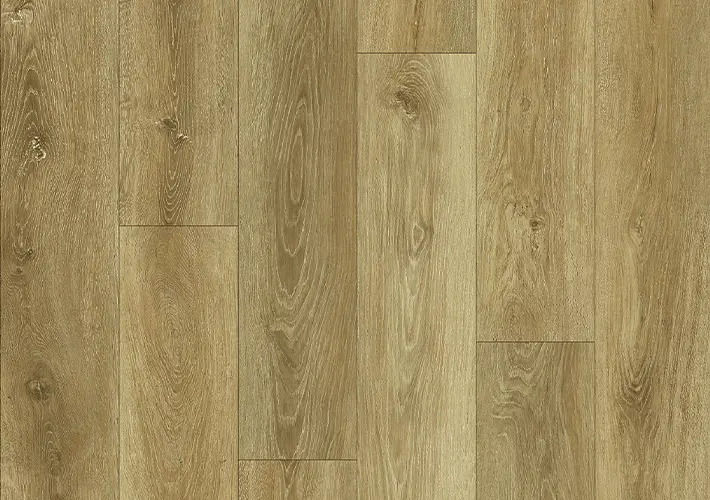
Retail flooring is seen from a short distance, under changing artificial and natural light. A sample that looks balanced in a warehouse may appear warmer, cooler, brighter, or more textured in the finished store. We encourage buyers to review a physical sample beside the planned shelves, wall colors, lighting, and signage.
Wood-look SPC is often selected for fashion, lifestyle, hospitality-retail, and showroom interiors where the buyer wants a warmer visual. Stone-look designs may suit technology, home-improvement, or modern commercial concepts. The best choice is the one that supports the store’s layout without making the floor compete with the product display.
| Design decision | Practical check | Commercial question |
|---|---|---|
| Wood or stone pattern | View the sample in the store’s planned lighting | Does the floor support the brand and merchandise? |
| Plank width and length | Overlay the size on the floor plan | Will the layout reduce offcuts and awkward narrow pieces? |
| Embossing and texture | Run a hand over the sample and check cleaning access | Does the surface balance appearance with daily maintenance? |
| Color repeat | Compare several planks from the same batch | Will the installed floor look consistent across the sales area? |
| Transitions | Review entrances, fitting rooms, and adjacent materials | Can the design be completed cleanly at every edge? |
5. Decide Whether Click SPC or Another Installation Method Fits
Click SPC can be attractive for retail renovation because the installation sequence is familiar to many flooring teams and the boards can create a floating floor when the site conditions and product instructions allow it. That does not mean every retail project should use the same installation method.
For some rooms, LVT formats may provide a better fit. ChangFlor’s LVT range includes loose lay, self-adhesive, LVT click flooring, and dry-back options. The choice depends on the subfloor, project program, replacement needs, and the contractor’s approved method. If the store has unusual geometry or requires a specific adhesive system, compare SPC and LVT with the installation team before ordering.
Whichever format you choose, request the installation instructions for the exact SKU. The correct expansion, acclimation, cutting, and subfloor requirements are product-specific. General advice from an unrelated product should not replace the supplier’s technical document.
6. Plan Cleaning, Spills, and Local Repairs
A retail floor is cleaned because the store is open, not because the construction team has time to stop operations. The maintenance plan should therefore be simple enough for store staff to follow. Use entrance mats where appropriate, remove loose grit, clean spills promptly, and use the cleaning products recommended for the selected floor.
Water resistance is useful in retail areas exposed to routine spills, but it is not a substitute for correct installation or a solution for standing water and unresolved moisture problems. Before handover, the project team should record the approved cleaning method, spare-material quantity, batch information, and the person responsible for future repair decisions.
- Keep spare planks from the same production batch where practical.
- Record the product name, color, size, thickness, wear layer, and installation date.
- Use furniture pads and lift heavy fixtures instead of dragging them across the surface.
- Confirm how damaged boards will be removed and replaced without disrupting the whole sales area.
- Give the store team concise written care instructions at handover.
7. Confirm Commercial Supply Details Before You Place the Order
For a B2B retail order, product selection is only half of the decision. The buyer also needs confidence in the supply plan. Ask for the confirmed specification, packing details, sample approval, production lead time, loading plan, inspection process, and the procedure for repeat orders.
| Before ordering | Information to confirm with the supplier |
|---|---|
| Product identity | Exact SKU, color, size, thickness, wear layer, click profile, and attached pad |
| Quantity | Net floor area, cutting allowance, cartons, pallets, and spare material |
| Quality control | Pre-shipment inspection method, approved sample, and handling of nonconformity |
| Packaging and marks | Carton information, private label requirements, pallet marks, and shipping documents |
| Schedule | Sample approval date, production lead time, shipment plan, and repeat-order expectations |
| Documentation | Installation guide, care instructions, technical sheet, and any required project documents |
Where a project calls for performance testing or compliance documentation, the requirement should be named before production. Standards organizations such as ISO and ASTM publish standards and related information, but the applicable test, edition, market requirement, and report scope must be confirmed for the actual project. We do not treat a general test reference as automatic proof for every product or destination.
A Simple Retail Flooring Selection Checklist
Before sending a request for quotation, prepare the following details. It allows us to answer more accurately and avoids repeated questions during sampling.
| Project detail | What to send | How it helps |
|---|---|---|
| Store format | Boutique, supermarket, showroom, mall unit, chain store, or pop-up | Frames the traffic and installation discussion |
| Area and layout | Approximate square meters and floor plan if available | Supports quantity and plank-layout planning |
| Preferred look | Wood, stone, color reference, or approved sample | Helps narrow the product range quickly |
| Technical target | Thickness, wear layer, pad, click, or other known requirement | Lets the supplier quote against a defined specification |
| Destination and timing | Country, port, target delivery date, and repeat-order plan | Supports production and logistics planning |
| Packaging needs | Standard cartons or private label and pallet-mark details | Prevents packaging changes late in the order |
How ChangFlor Supports Retail Flooring Buyers
We work with importers, distributors, flooring contractors, and project buyers who need a clear product comparison before they commit to a container or a multi-location program. Our role is to connect the retail application with the right SPC or LVT specification, confirm the details of the chosen SKU, and keep the quotation based on the information that can actually be supplied.
You can start by reviewing our SPC flooring collection. If you already know the store area, preferred design, target thickness, estimated quantity, and destination, send those details through our free sample request or contact page. We can then discuss suitable samples, packing, lead time, and the next step for your project.
Final Takeaway
The best SPC flooring for a retail store is not selected by thickness or appearance alone. Start with the store’s traffic and operating pattern, compare the wear layer with the demanding areas, check the subfloor and installation method, review samples under the real lighting, and confirm the supply details before ordering. This process gives the buyer a floor that looks right on opening day and is easier to manage after the store begins trading.
At ChangFlor, we are ready to review your retail flooring brief and recommend a practical SPC or LVT direction based on the application. Share the project details with us, and we will help you move from a general flooring idea to a clear commercial specification.