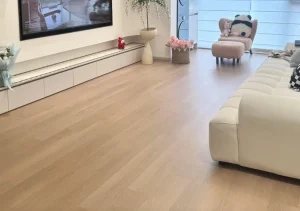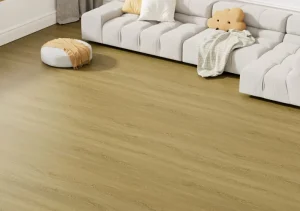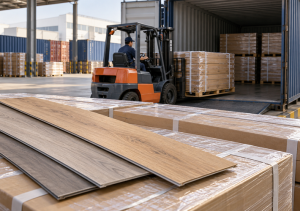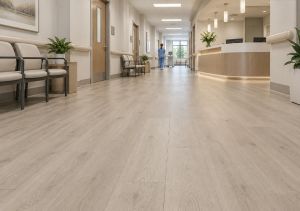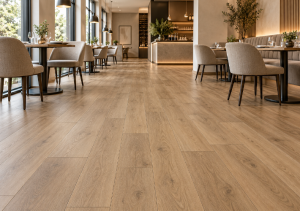
Waterproof SPC flooring has become one of the most popular flooring solutions for residential, commercial, hospitality, and renovation projects. Its rigid stone-plastic composite core combines waterproof performance, dimensional stability, impact resistance, and relatively easy installation, making it an attractive alternative to traditional laminate, hardwood, and other vinyl flooring options.
But for importers, distributors, contractors, developers, and homeowners, one question remains especially important: How long does waterproof SPC flooring last?
In general, quality waterproof SPC flooring can provide 15–25 years or more of service life in residential applications, while properly specified commercial-grade products can deliver 10–20+ years under appropriate traffic conditions. Premium products with a thicker wear layer, strong click-lock system, high-density SPC core, and professional installation can potentially last even longer.
However, there is no single lifespan figure that applies to every SPC floor. Product construction, wear layer thickness, installation quality, traffic intensity, maintenance, UV exposure, and the quality of the subfloor all influence actual service life.
For B2B buyers, this means that selecting SPC flooring should not be based only on price per square meter. A better approach is to evaluate the complete product specification and expected lifecycle cost.
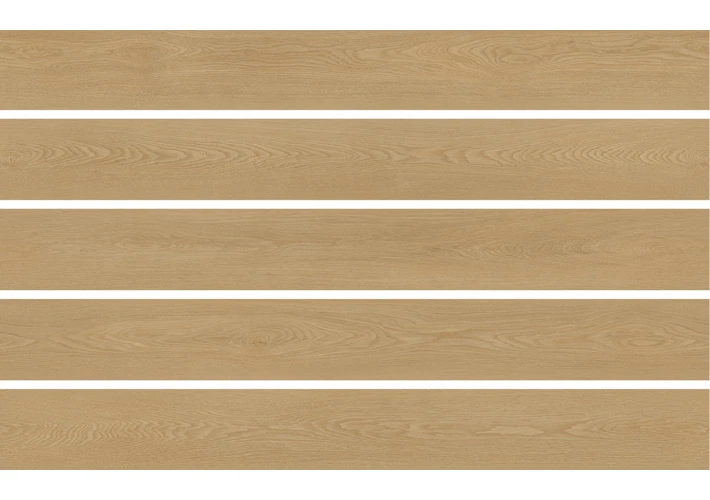
How Long Does Waterproof SPC Flooring Last?
The short answer is that waterproof SPC flooring generally lasts around 15–25 years in residential applications and approximately 10–20 years in many commercial environments, although actual performance depends heavily on the product specification and usage conditions.
Some manufacturers offer residential warranties of 20–25 years or longer and commercial warranties ranging from several years to 10–20 years depending on the collection and wear layer. Warranty periods should not automatically be treated as the exact physical lifespan of the flooring because warranties are usually limited by specific conditions and definitions of wear.
For example, a manufacturer’s warranty may cover wear-through of the protective layer but exclude damage caused by improper installation, excessive moisture below the floor, flooding, heavy impact, or incorrect maintenance.
A practical lifespan guide is:
| Application | Typical SPC Specification | Approximate Service Life |
|---|---|---|
| Low-traffic residential | 0.2–0.3 mm wear layer | 10–15+ years |
| Standard residential | 0.3–0.5 mm wear layer | 15–20+ years |
| Premium residential | 0.5 mm+ wear layer | 20–25+ years |
| Light commercial | 0.5 mm wear layer | 10–20 years |
| Heavy commercial | 0.5–0.7 mm wear layer | 15–20+ years |
| High-traffic hospitality/retail | 0.7 mm+ wear layer | 15–25+ years, depending on conditions |
These figures are general planning ranges rather than guarantees. A high-quality SPC product installed correctly in a moderate-traffic environment can outperform a lower-specification product by many years.
The waterproof nature of the SPC core is one of its major advantages. Unlike wood-based flooring, the mineral-rich rigid core does not readily absorb water, swell, or deform under normal moisture exposure. This is one reason SPC is widely considered for kitchens, bathrooms, entryways, basements, hospitality projects, and other areas where moisture resistance matters.
However, waterproof does not mean indestructible. The surrounding subfloor, joints, installation quality, and standing water conditions still need to be considered.
Why Does SPC Flooring Have a Long Lifespan?
The durability of waterproof SPC flooring comes primarily from its multilayer construction.
A typical SPC plank consists of several functional layers:
- UV protective coating
- Wear layer
- Decorative film
- SPC rigid core
- Attached underlayment, depending on the product
Each layer contributes to the overall performance of the finished floor.
1. Dense SPC Core
The SPC core is made primarily from mineral filler, PVC, and stabilizers. This creates a rigid and dense structure that provides better dimensional stability and indentation resistance than many conventional flexible vinyl products.
The rigid core is also the main reason SPC flooring can achieve excellent moisture resistance. Current industry specifications commonly use SPC cores with thicknesses ranging from approximately 4 mm to 8 mm, depending on the application.
2. Protective Wear Layer
The wear layer is one of the most important factors affecting the visible lifespan of SPC flooring.
It protects the decorative layer against:
- Foot traffic
- Scratches
- Scuffing
- Staining
- Furniture movement
- Pet activity
- General surface abrasion
Common wear layer thicknesses include 0.3 mm, 0.5 mm, and 0.7 mm.
Generally, a thicker wear layer provides better resistance to long-term surface wear. For example, 0.3 mm may be appropriate for many residential applications, while 0.5 mm or 0.7 mm is more suitable for demanding commercial environments. Industry guides similarly associate thicker wear layers with higher traffic applications and longer expected service lives.
3. Strong Click-Lock System
A durable surface alone is not enough.
For click SPC flooring, the locking system needs to maintain joint integrity during years of expansion, contraction, foot traffic, and furniture loading.
A poorly designed or poorly manufactured locking system can result in:
- Gaps between planks
- Broken edges
- Loose joints
- Movement underfoot
- Moisture entering through damaged joints
Therefore, B2B buyers should evaluate the locking profile and connection strength rather than selecting flooring solely according to thickness.
4. Dimensional Stability
Temperature and humidity changes can cause flooring materials to expand and contract. SPC’s rigid mineral-based construction provides good dimensional stability, which is particularly useful in regions with changing temperatures or high humidity.
For tropical and humid markets, this characteristic can be particularly valuable. However, correct expansion gaps and installation procedures remain important.
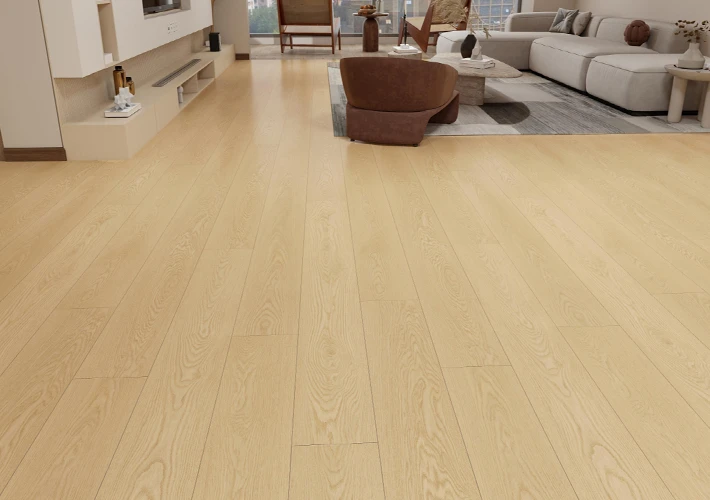
What Factors Affect the Lifespan of Waterproof SPC Flooring?
The expected lifespan of SPC flooring depends on more than the material itself. Several factors can significantly change long-term performance.
Wear Layer Thickness
This is one of the most important specifications for B2B purchasing.
A simple guide is:
- 0.2–0.3 mm: Light residential use
- 0.3–0.5 mm: Standard residential and light commercial
- 0.5 mm: Commercial and high-use residential
- 0.7 mm: Heavy commercial and demanding applications
For a hotel, shopping area, office, restaurant, or retail store, choosing a thicker wear layer can provide better protection against continuous foot traffic.
Traffic Level
A bedroom used by two people will obviously experience less abrasion than a hotel corridor used by hundreds of guests every day.
Typical traffic categories include:
Low traffic: Bedrooms, private offices, guest rooms
Medium traffic: Living rooms, apartments, residential corridors
High traffic: Retail stores, restaurants, offices, hotels
Very high traffic: Shopping centers, transportation facilities, large commercial buildings
The higher the traffic, the more important the wear layer, surface treatment, abrasion resistance, and overall construction become.
Installation Quality
Even premium SPC flooring can fail prematurely when it is installed incorrectly.
The subfloor should be sufficiently clean, dry, stable, and level. Significant unevenness can place stress on click-lock joints and cause movement, noise, or premature damage.
Manufacturers commonly make warranty coverage conditional on following installation instructions and maintaining the floor properly.
For B2B projects, installation quality should therefore be treated as part of the flooring specification rather than as a separate issue.
Subfloor Condition
The rigid nature of SPC is an advantage, but it does not mean that the flooring can completely compensate for an unsuitable subfloor.
Large dips, bumps, cracks, loose materials, or excessive moisture beneath the floor can affect long-term performance.
A good installation begins with a properly prepared substrate.
Cleaning and Maintenance
SPC flooring generally requires less maintenance than many natural flooring materials.
Routine maintenance usually includes:
- Regular sweeping or vacuuming
- Prompt removal of spills
- Damp mopping
- Use of suitable neutral cleaning products
- Avoiding abrasive tools
- Using protective pads under furniture
Harsh chemicals, excessive water, abrasive cleaning equipment, and wax-based products should generally be avoided unless specifically approved by the flooring manufacturer.
Good maintenance can help preserve both the appearance and functional performance of the floor.
Direct Sunlight and UV Exposure
Long-term exposure to intense sunlight can contribute to color fading in flooring materials.
For rooms with large windows, commercial storefronts, sunrooms, and other areas with strong direct sunlight, buyers should consider products with appropriate UV-resistant surface treatments.
Curtains, blinds, solar-control glass, and appropriate interior design can also reduce prolonged direct UV exposure.
Is Waterproof SPC Flooring Really Waterproof?
One of the biggest reasons buyers choose SPC flooring is its water resistance.
The rigid SPC core itself is generally designed to resist water absorption, making SPC fundamentally different from wood-based flooring products. Industry product specifications commonly describe SPC as waterproof or having extremely low water absorption.
This makes waterproof SPC flooring suitable for many areas where conventional laminate or natural wood flooring may be more vulnerable, including:
- Kitchens
- Bathrooms
- Laundry rooms
- Entryways
- Restaurants
- Hotel rooms
- Commercial corridors
- Basements
However, there is an important distinction between waterproof flooring and a waterproof building system.
SPC flooring does not automatically waterproof the entire substrate or surrounding structure. If water enters through damaged joints, perimeter gaps, floor drains, wall connections, or prolonged flooding, the underlying building materials may still be affected. Some manufacturer warranties specifically exclude damage caused by flooding or standing water affecting the subfloor or surrounding structure.
Therefore, SPC should be viewed as a highly water-resistant flooring material, not as a substitute for proper waterproofing construction.
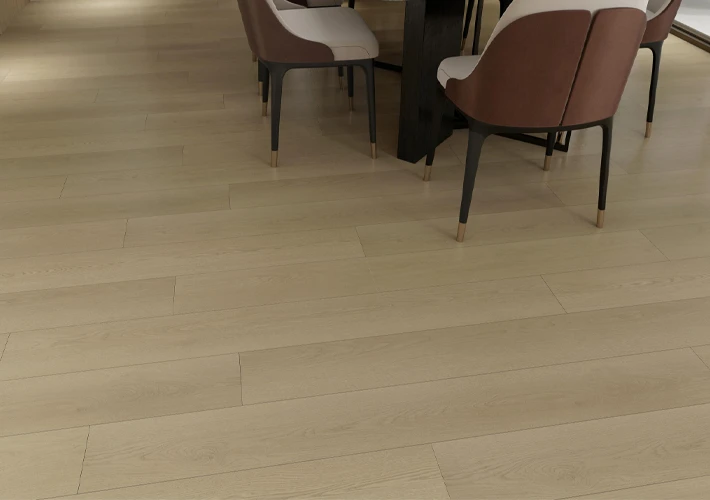
How to Choose SPC Flooring for a Longer Lifespan
For importers, distributors, contractors, and project buyers, product selection should begin with the intended application.
For Residential Projects
For normal homes and apartments, a product with a 0.3–0.5 mm wear layer can provide a good balance between cost and durability.
If the project includes:
- Children
- Pets
- Heavy furniture
- Frequent visitors
- Open-plan living areas
a 0.5 mm wear layer may be a better long-term choice.
For Hotels
Hotels require more careful specification because different areas have different traffic levels.
Guest rooms may use a moderate specification, while:
- Corridors
- Lobbies
- Restaurants
- Meeting rooms
- Reception areas
may require a thicker wear layer and stronger overall construction.
For hospitality projects, buyers should also consider stain resistance, rolling-load performance, acoustic properties, slip resistance, fire performance, and maintenance requirements.
For Offices and Retail
Commercial projects typically experience more frequent foot traffic and furniture movement.
A 0.5 mm or 0.7 mm wear layer is commonly considered for higher-traffic applications, with the final specification determined by the expected traffic and project requirements. Some commercial SPC products are offered with 0.5–0.7 mm wear layers and warranties designed for demanding applications.
For retail stores and offices, buyers should also evaluate resistance to office chair casters, rolling loads, stains, and abrasion.
For B2B Importers and Distributors
For wholesalers and distributors, the most important question is not simply:
“How cheap is the SPC flooring?”
A better question is:
“What specification provides the best balance between landed cost, durability, warranty, and target-market requirements?”
A low-cost 0.3 mm product may be competitive for entry-level residential projects, while a 0.5 mm or 0.7 mm product may provide better value for commercial customers.
This is particularly important because the cheapest product is not always the product with the lowest lifecycle cost.
How to Extend the Life of Waterproof SPC Flooring
Proper maintenance is relatively simple, but several practices can significantly improve long-term performance.
1. Keep Dirt and Sand Away
Sand and small particles can act like abrasives when repeatedly walked across the floor.
Place entrance mats at major access points and clean high-traffic areas regularly.
2. Use Furniture Pads
Heavy furniture can create concentrated pressure.
Felt or suitable protective pads beneath chairs, tables, cabinets, and other furniture can help reduce scratching and indentation.
3. Avoid Dragging Heavy Objects
Furniture and equipment should be lifted or moved with suitable protection rather than dragged directly across the floor.
4. Clean Spills Promptly
Although SPC is waterproof, standing water should not be allowed to remain unnecessarily on the floor.
Prompt cleaning also helps prevent stains and keeps the surface hygienic.
5. Use Suitable Cleaning Products
Neutral cleaners and manufacturer-approved products are generally preferable.
Avoid aggressive chemicals, abrasive powders, and cleaning tools that can damage the surface.
6. Control Direct Sunlight
For heavily sun-exposed areas, use curtains, blinds, UV-control glass, or other measures to reduce prolonged exposure.
7. Follow the Manufacturer’s Installation Guide
Correct installation is one of the most important factors affecting service life.
Expansion requirements, subfloor preparation, acclimation requirements where applicable, joint alignment, and installation methods should all follow the product’s technical documentation.
SPC Flooring Lifespan vs. Other Flooring Materials
When evaluating flooring for a project, buyers often compare SPC with laminate, hardwood, ceramic tile, and conventional vinyl.
SPC has several important advantages.
| Flooring Type | Water Resistance | Durability | Maintenance | Typical Application |
| SPC Flooring | Excellent | High | Easy | Residential & commercial |
| Laminate | Moderate to good depending on construction | Good | Easy | Residential |
| Hardwood | Low to moderate | High with maintenance | Higher | Premium residential |
| Traditional Vinyl | Excellent | Moderate to high | Easy | Residential & commercial |
| Ceramic Tile | Excellent | Very high | Moderate | Wet and high-traffic areas |
SPC is particularly attractive because it combines waterproof performance, rigid construction, realistic decorative designs, relatively simple installation, and low maintenance.
For projects where moisture resistance and installation efficiency are important, SPC can offer an excellent lifecycle-value proposition.
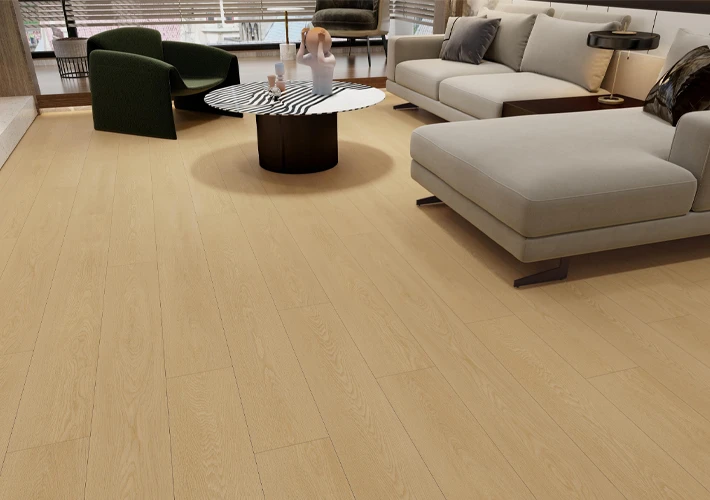
Why Choose Changflor Waterproof SPC Flooring?
For B2B buyers, the performance of the finished flooring depends heavily on the consistency of manufacturing.
Changflor focuses on SPC and LVT flooring solutions for international markets, providing products designed for distributors, wholesalers, contractors, developers, and project buyers.
As a China-based flooring manufacturer, Changflor can support customers with different specifications according to project requirements, including options for:
- Different total thicknesses
- 0.3 mm, 0.5 mm and other wear layer configurations
- Multiple colors and wood-grain designs
- Different surface textures
- Click-lock installation systems
- Residential and commercial specifications
- OEM and private-label requirements
- Bulk export orders
- Customized packaging
For international buyers, factory supply also provides an opportunity to develop product specifications around the requirements of a specific market instead of relying only on standard retail products.
When evaluating a supplier, buyers should request technical data, wear-layer information, dimensional stability data, abrasion test results, installation instructions, packaging specifications, and warranty conditions before placing a large order.
A reliable supplier should also be able to explain which SPC configuration is appropriate for residential, hospitality, retail, office, or other commercial applications.
Frequently Asked Questions About Waterproof SPC Flooring Lifespan
How many years does waterproof SPC flooring last?
Quality SPC flooring commonly lasts 15–25 years or more in residential applications, while commercial service life depends heavily on traffic and product specification. Higher-grade products with thicker wear layers and proper installation can provide longer service.
Does waterproof SPC flooring wear out?
Yes. Waterproof describes the moisture resistance of the SPC structure, not unlimited surface durability. Over many years, the wear layer can gradually experience abrasion, scratches, scuffing, and visual wear, especially in high-traffic areas.
Is 0.3 mm wear layer enough for SPC flooring?
A 0.3 mm wear layer can be suitable for many residential applications. For hotels, offices, retail stores, restaurants, and other high-traffic environments, a 0.5 mm or 0.7 mm wear layer may be more appropriate.
Can SPC flooring last 20 years?
Yes. A properly manufactured and installed SPC floor can last 20 years or longer, particularly in residential or moderate-traffic applications. Product quality, wear layer thickness, installation, maintenance, and traffic conditions all affect the result.
Can waterproof SPC flooring be used in bathrooms?
SPC’s waterproof rigid core makes it suitable for many bathroom flooring applications. However, proper installation, perimeter detailing, drainage, and building-level waterproofing remain essential.
Does thicker SPC flooring last longer?
Not necessarily.
Total thickness improves factors such as rigidity, impact performance, and dimensional behavior, but the wear layer is particularly important for surface durability. A thicker core does not automatically mean a longer visible lifespan if the wear layer is too thin.
Is SPC flooring good for commercial projects?
Yes, provided the product is correctly specified for the traffic level. Commercial projects should generally consider wear layer thickness, abrasion resistance, locking strength, indentation resistance, dimensional stability, fire performance, slip resistance, and maintenance requirements.
Conclusion
So, what is the lifespan of waterproof SPC flooring?
For a quality product, a realistic planning range is approximately 15–25 years for residential applications, with commercial applications commonly achieving 10–20+ years depending on traffic and specification. Premium products used under suitable conditions may last even longer.
The most important factors are not simply the word “waterproof” or the total thickness of the plank. Buyers should evaluate the wear layer, SPC core quality, locking system, dimensional stability, installation conditions, traffic level, maintenance requirements, and manufacturer support.
For B2B buyers, choosing the right specification is especially important. A 0.3 mm wear layer may be economical for residential distribution, while 0.5 mm or 0.7 mm configurations may be more suitable for commercial and hospitality projects.
If you are sourcing waterproof SPC flooring from China, Changflor can provide factory-based SPC flooring solutions for distributors, wholesalers, contractors, and international projects.
Contact Changflor to request SPC flooring specifications, samples, product catalogs, and a quotation for your market or project.