Introduction
Understanding LVT flooring cost is an important part of planning commercial flooring projects. For distributors, contractors, architects, and project owners, inaccurate cost estimation can affect project budgets, profit margins, and purchasing decisions.
However, LVT flooring cost is not determined by product price alone. Factors such as material quality, product specifications, order volume, customization requirements, logistics, and supplier capabilities all influence the final quotation.
For B2B buyers, the goal is not simply to find the cheapest LVT flooring option. A reliable flooring solution should provide the right balance between cost efficiency, product performance, and long-term value.
What Is Included in LVT Flooring Cost?
The total cost of LVT flooring usually includes several components:
- Manufacturing process and production costs
- Raw material quality and availability
- Product specifications and performance requirements
- Customization and packaging requirements
- Order quantity
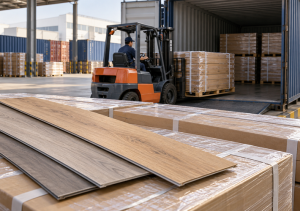
- Transportation and logistics expenses
Different suppliers may offer different quotations for similar LVT flooring products because their production processes, material selection, quality standards, and service capabilities can vary.
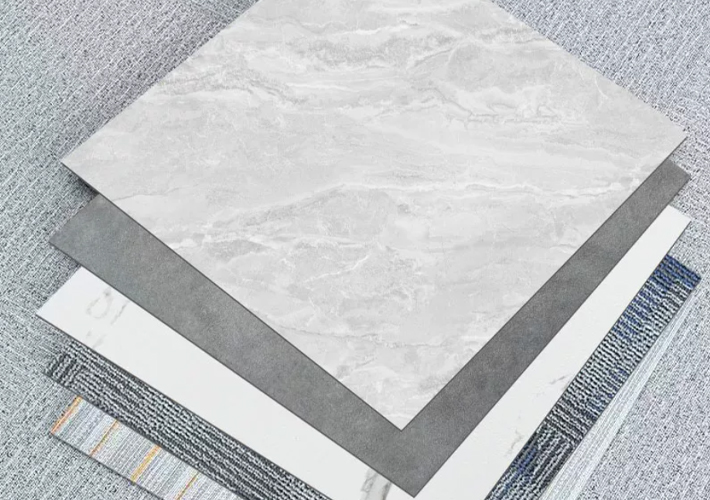
For B2B buyers, LVT flooring is usually priced according to product grade and application requirements. Standard commercial LVT, high-performance flooring solutions, and customized products may have different price levels depending on durability requirements, design expectations, and project conditions.
Main Factors That Influence LVT Flooring Cost
| Cost Factor | How It Influences LVT Flooring Cost |
|---|---|
| Wear Layer Thickness | A thicker wear layer improves durability and resistance to daily wear, which may increase product cost for commercial applications. |
| Total Flooring Thickness | Thicker flooring structures usually require more materials and can affect the final quotation. |
| Surface Design and Treatment | Special textures, embossing, and decorative finishes can increase manufacturing complexity and cost. |
| Order Quantity | Larger orders usually reduce unit costs through improved production efficiency. |
| Customization Requirements | Private labeling, customized colors, and special specifications may require additional development and production costs. |
| Supplier Manufacturing Capability | Stable production, strict quality control, and reliable service can influence overall project value and purchasing efficiency. |
Major Cost Factors to Consider When Buying LVT Flooring
1. Product Specifications and Performance Requirements
Product specifications are one of the main factors affecting LVT flooring cost.
Features such as wear layer thickness, overall thickness, surface protection, and durability requirements can influence the final quotation. For commercial projects, buyers should choose specifications based on actual usage needs rather than simply selecting the lowest-priced option.
2. Raw Material Quality and Manufacturing Capability
Raw material quality and manufacturing capability directly influence product consistency and overall cost.
For distributors and contractors, stable production processes and strict quality control help reduce risks related to quality issues, batch differences, and project delays.
3. Order Quantity and Purchasing Volume
Order quantity has a significant impact on LVT flooring cost.
Larger orders usually allow manufacturers to improve production efficiency and offer more competitive pricing, while smaller orders may have higher unit costs due to production and logistics expenses.
4. Customization Requirements
Customization requirements can affect the final cost of LVT flooring.
Options such as custom colors, patterns, packaging, and private labeling may increase production costs but can help businesses meet specific market or project requirements.
5. Supplier Location and Logistics Considerations
Logistics and supply chain factors can influence the total cost of LVT flooring.
Transportation distance, shipping methods, and delivery arrangements should be considered when evaluating suppliers, especially for international commercial projects.
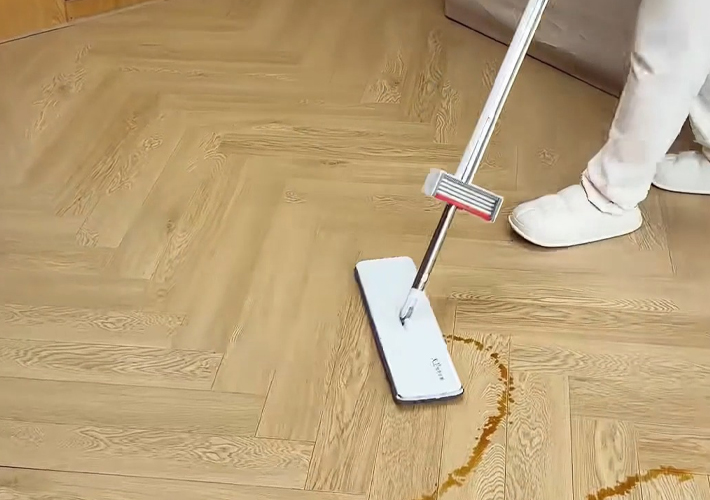
Why the Lowest LVT Flooring Price May Not Be the Best Choice
When sourcing LVT flooring, some buyers focus mainly on finding the lowest quotation. However, the cheapest option may create hidden costs during project execution.
For distributors and contractors, choosing a low-price supplier may result in risks such as:
- Inconsistent quality between production batches
- Shorter product service life
- Higher maintenance or replacement costs
- Delivery delays
These issues can affect project schedules, customer relationships, and business reputation.
A better purchasing strategy is to evaluate the total value of the flooring solution, including product quality, supplier reliability, production consistency, and long-term cooperation potential.
The best LVT flooring investment is usually not the lowest initial price, but the solution that delivers stable performance and predictable value over time.
How to Optimize LVT Flooring Cost Without Sacrificing Quality?
B2B buyers can improve cost efficiency through several approaches.
Purchase Directly from Experienced Manufacturers
Working directly with experienced manufacturers can reduce supply chain costs while providing factory pricing and customization support.
Plan Orders and Requirements in Advance
Early planning helps suppliers optimize production schedules, materials, and shipping arrangements.
For large commercial projects, advance planning can help reduce potential delivery risks.
Select Products Based on Actual Project Needs
The right LVT flooring solution should match project requirements instead of simply choosing the most expensive option.
A professional supplier can help buyers select suitable specifications while maintaining budget efficiency.
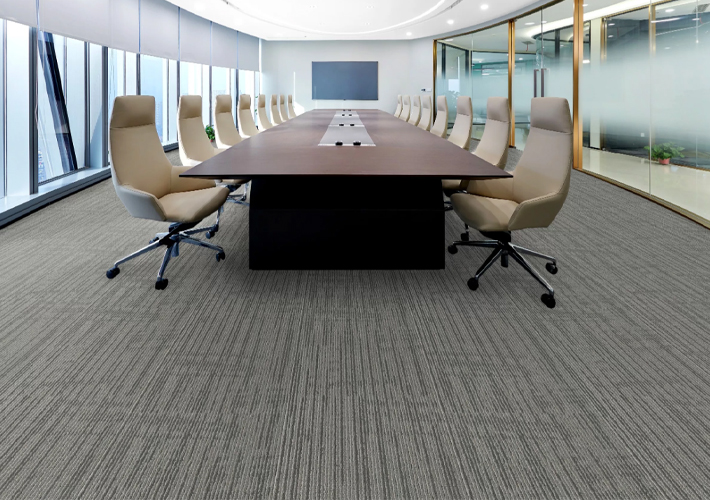
How to Evaluate LVT Flooring Suppliers for Commercial Projects?
When comparing LVT flooring suppliers, B2B buyers should evaluate more than the initial product quotation. A suitable supplier should be able to meet project requirements, maintain consistent product quality, and provide reliable support throughout the purchasing process.
Key factors to consider include:
Production Capability and Lead Time
Suppliers should have sufficient manufacturing capacity to support order requirements and maintain stable delivery schedules, especially for large commercial projects.
Quality Consistency and Quality Control Systems
For distributors and contractors, consistent product performance across different production batches is essential to avoid quality issues, customer complaints, and project delays.
Customization Capabilities
Suppliers with flexible customization options can better support different market needs, including product designs, specifications, packaging, and private label requirements.
Supply Chain and Communication Reliability
Clear communication, efficient order management, and reliable delivery processes help reduce risks during project execution.
By evaluating suppliers based on these factors, B2B buyers can make better purchasing decisions, improve cost efficiency, and select LVT flooring solutions that provide long-term value.
Conclusion
LVT flooring cost depends on multiple factors, including product specifications, raw material quality, order quantity, customization requirements, and supplier capabilities.
For commercial buyers, the best purchasing decision is not simply choosing the lowest price, but selecting a flooring solution that delivers the right combination of quality, performance, and long-term value.
By working with a reliable LVT flooring manufacturer, distributors, contractors, and project owners can achieve better cost control and more successful commercial flooring projects.
Looking for a reliable flooring partner for bulk orders or commercial projects? Contact us to receive factory pricing, product specifications, and customized solutions.