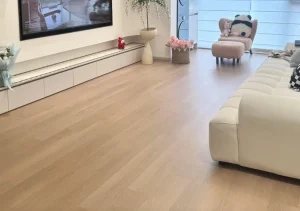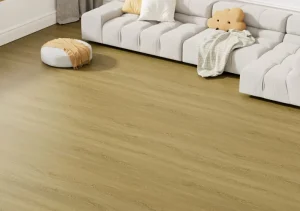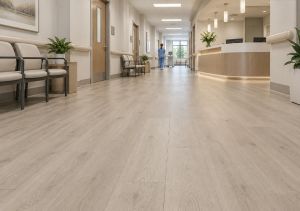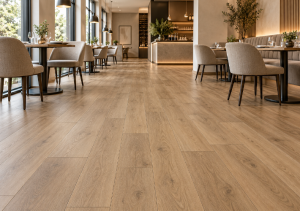
Commercial flooring has to work within a real project, not just look attractive in a sample box. The floor may need to support a retail layout, an office renovation, a hotel corridor, a showroom, or a multi-location rollout. At ChangFlor, we help importers, distributors, contractors, and project buyers compare LVT flooring by use, installation method, appearance, maintenance, and supply requirements.
LVT can be a practical option when a project needs the visual flexibility of a wood or stone design and a specification that can be matched to the installation conditions. The best product depends on the subfloor, project schedule, traffic pattern, replacement plan, and the exact format selected. This guide explains how we normally approach commercial LVT flooring before preparing a quotation.
What Makes LVT Useful for Commercial Flooring?
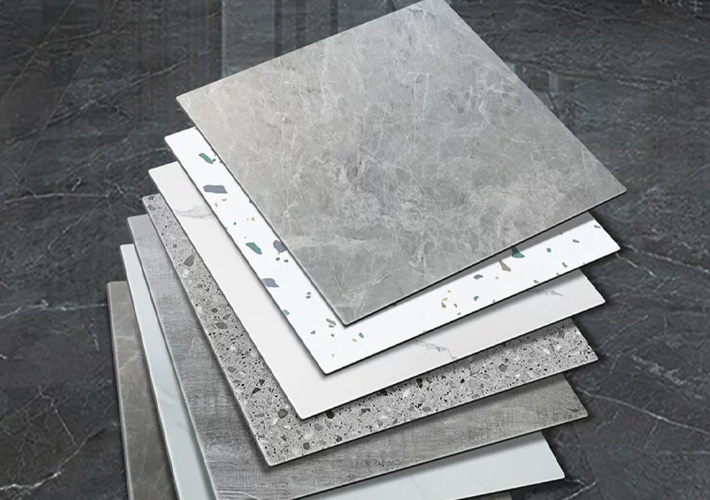
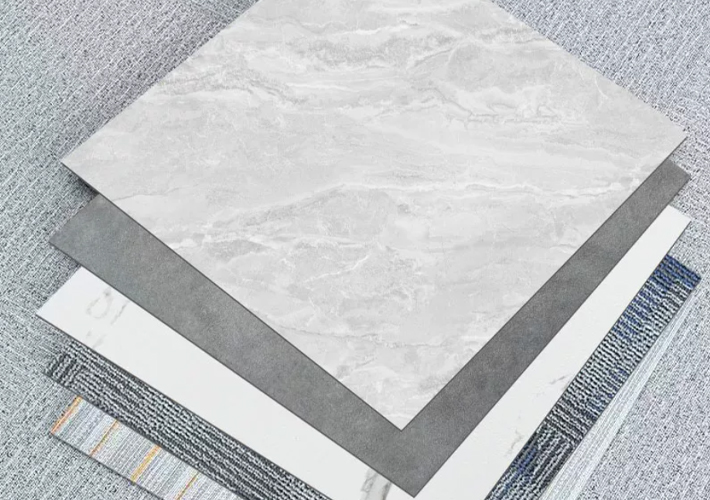
LVT is a design-led flooring category with several installation formats. Compared with choosing one general “commercial floor,” the buyer can discuss whether the project is better suited to loose lay, self-adhesive, click, or dry-back LVT. The format affects site preparation, installation time, future replacement, and the contractor’s working method.
ChangFlor’s LVT flooring collection is organized into Loose Lay, Self-adhesive, LVT Click Flooring, and Dry Back options. These categories help start the conversation, but they do not replace the technical specification for the exact SKU. Before ordering, we confirm the product dimensions, thickness, wear layer, backing, packing, and installation instructions for the chosen item.
| Commercial requirement | What to review in LVT | Why it matters |
|---|---|---|
| Fast renovation | Installation format, site readiness, and installer capacity | Helps the project team protect the opening schedule |
| Brand appearance | Pattern, plank or tile size, texture, and sample consistency | Supports the intended interior design |
| Local replacement | Removal method, spare stock, and product continuity | Makes future repairs more manageable |
| Busy public area | Wear layer, surface care, traffic, and entrance protection | Matches the product discussion to actual use |
| Multi-location supply | SKU continuity, packing, lead time, and quality control | Improves repeat-order planning |
1. Choose the LVT Installation Format First
The installation format is one of the first decisions we ask about. It should be based on the site condition and project program, not only on the product photograph. A commercial buyer should involve the installer early, because the same visual design may be available in formats with different preparation and replacement requirements.
| LVT format | Typical discussion point | Questions for the project team |
|---|---|---|
| Loose Lay | Speed, access, and the possibility of localized removal | Is the subfloor ready, and does the approved method allow loose-lay installation? |
| Self-adhesive | Adhesive backing and substrate preparation | Is the surface clean, dry, smooth, and suitable for the backing? |
| LVT Click Flooring | Floating installation and joint system | Are movement, transitions, door clearances, and installer experience confirmed? |
| Dry Back | Full-spread adhesive installation | Has the adhesive, moisture condition, and curing process been approved? |
This comparison is a starting point only. The final installation method must follow the instructions for the selected product. If the floor is being installed in an occupied office or a shopping-mall unit, the schedule for substrate preparation, adhesive curing, access, and handover should be written into the project plan.
2. Match the Wear Layer to the Commercial Use
The wear layer is an important item when a buyer compares LVT for commercial use. It protects the decorative surface from routine abrasion, but it should not be evaluated alone. Traffic, grit at entrances, furniture movement, cleaning chemicals, maintenance frequency, and installation quality all influence the result.
We normally separate the project into use zones. An office meeting room, a retail entrance, a hotel corridor, and a showroom display area can have different traffic patterns. If one SKU is used throughout the project, the selection should be checked against the most demanding area rather than the quietest room.
| Area | Use conditions to discuss | Supporting details to confirm |
|---|---|---|
| Retail entrance | Tracked dirt, moisture, and frequent walking | Entrance mats, cleaning plan, transitions, and surface care |
| Open office | Rolling chairs, desks, and regular staff movement | Furniture protection, chair movement, and maintenance routine |
| Hotel or hospitality corridor | Continuous walking and service-cart movement | Traffic pattern, replacement plan, and cleaning schedule |
| Showroom | Visual inspection, displays, and occasional fixture changes | Pattern consistency, scratch prevention, and spare material |
| Back-of-house area | Carts, boxes, deliveries, and service access | Actual load, adjacent floor finish, and installation detail |
A larger wear-layer figure may be appropriate for a more demanding use, but the correct value is product-specific. Ask for the technical sheet of the exact item rather than assuming that every LVT in a supplier’s collection has the same construction.
3. Check the Subfloor Before You Confirm the Product
LVT is only as reliable as the surface beneath it. Uneven areas, dust, cracks, moisture, old adhesive, and movement can affect the finished appearance and the installation result. This is especially important for dry-back and self-adhesive options, where the substrate condition is visible through the finished floor if preparation is incomplete.
- Confirm that the substrate is sound, clean, dry, and sufficiently smooth for the chosen format.
- Check moisture conditions according to the project’s local requirements and the installation system.
- Remove or treat contaminants, loose material, old adhesive, and dust before installation.
- Review movement joints, thresholds, door clearances, skirting, and transitions to other finishes.
- Ask the installer to record the site-readiness result before material is delivered.
If the project is a renovation, include substrate preparation in the quotation and schedule. A floor can arrive on time and still miss the opening date if the concrete or existing floor is not ready for installation.
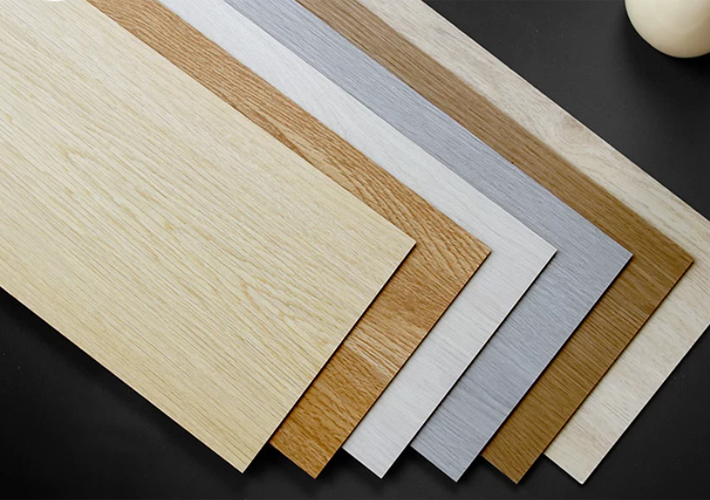
4. Select the Visual Design With the Finished Space in Mind
LVT samples should be reviewed under the lighting and beside the materials planned for the project. The same wood or stone pattern can look different next to white walls, dark shelving, metal partitions, or warm lighting. For a chain-store or distributor program, compare several pieces from the approved sample and confirm the expected color consistency.
| Design choice | Practical review | B2B question |
|---|---|---|
| Wood or stone appearance | View the sample beside the project palette | Does the design support the brand and merchandise? |
| Plank or tile format | Overlay the size on the floor plan | Will the layout reduce awkward cuts and narrow edges? |
| Surface texture | Check touch, reflection, and cleaning access | Does the texture balance appearance and maintenance? |
| Pattern repeat | Review several pieces from the same sample | Will the finished floor look consistent across the area? |
| Transitions | Check entrances and adjacent materials | Can the pattern be completed cleanly at every edge? |
For a first quotation, send the preferred color, approximate area, project photos or floor plan, and the intended installation format. This is more useful than sending only the words “commercial LVT” without an application brief.
5. Plan Cleaning, Replacement, and Spare Stock
Commercial floors are cleaned while the business is operating. The maintenance plan should therefore be simple enough for store or facility staff to follow. Use entrance protection where appropriate, remove loose grit, clean spills promptly, and follow the care instructions for the selected product.
Spare stock is also part of a commercial flooring plan. Keep a small reserve from the approved product and, where practical, the same production batch. Label the spare cartons with the color, size, thickness, wear layer, purchase reference, and installation location.
- Use furniture pads and avoid dragging heavy fixtures over the finished floor.
- Record the selected SKU and installation date at handover.
- Store spare material in a dry, stable area away from site damage.
- Confirm how damaged pieces will be removed and replaced.
- For multi-location projects, define who owns and releases the spare stock.
6. Confirm the Supply Details Before Ordering
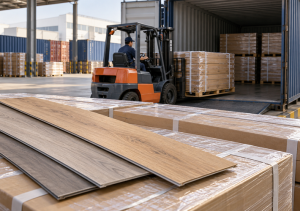
For B2B buyers, the flooring specification is only one part of the order. The supplier should also confirm packaging, carton coverage, production lead time, loading, inspection, private-label requirements, and repeat-order expectations. This prevents a project team from approving a sample before checking whether the commercial supply plan fits the site schedule.
| Order detail | Information to confirm | Why it matters |
|---|---|---|
| Product identity | SKU, color, size, thickness, wear layer, backing, and format | Prevents mixed or incomplete specifications |
| Quantity | Net area, cutting allowance, cartons, pallets, and spares | Supports budget and delivery planning |
| Quality control | Approved sample, inspection process, and nonconformity handling | Creates a clear commercial reference |
| Packaging | Carton marks, pallet marks, documents, and private label needs | Improves receiving and warehouse handling |
| Schedule | Sample approval, production, shipment, and repeat-order timing | Helps coordinate with the project program |
Where a project requests performance testing or compliance documents, name the required market, test, edition, and report scope before production. A general reference to a standard should not be treated as automatic proof for every product or destination.
A Practical Commercial LVT Selection Checklist
Before sending a request for quotation, prepare the following information:
| Project information | What to provide | How it helps the supplier |
|---|---|---|
| Application | Office, retail, showroom, hospitality, or another commercial area | Frames the use and installation discussion |
| Area and layout | Approximate square meters and floor plan if available | Supports quantity and layout planning |
| Preferred design | Color, pattern, sample, or reference image | Helps narrow the product options |
| Installation target | Loose lay, self-adhesive, click, dry back, or installer recommendation | Focuses the quotation on a realistic method |
| Destination and timing | Country, port, delivery date, and repeat-order plan | Supports production and logistics planning |
| Packaging needs | Standard carton or private label requirements | Prevents late packaging changes |
You can begin with the ChangFlor LVT flooring collection, then send the project area, intended use, preferred design, destination, and schedule through our free sample request or contact page. We can discuss suitable samples, installation formats, packing, lead time, and the next step for your commercial project.
Final Takeaway
The right commercial LVT flooring is selected by connecting the product format with the real project conditions. Start with the installation method, review the subfloor, match the wear layer and surface to the use area, check the design under the finished lighting, and confirm the supply details before ordering. This process gives importers, distributors, contractors, and project owners a clearer specification and a more reliable path from sample approval to installation.
At ChangFlor, we are ready to review your commercial flooring brief and help you compare suitable LVT options for the application. Share the project details with us, and we will help you move from a general design idea to a practical commercial quotation.