Introduction
When selecting flooring solutions, buyers need to evaluate more than appearance. Factors such as durability, specifications, maintenance, installation methods, and long-term value all influence whether LVT flooring is suitable for a specific application.
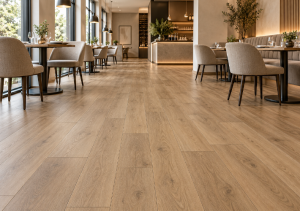
Luxury Vinyl Tile (LVT) flooring has become a preferred flooring solution for many residential, commercial, and hospitality projects because it combines realistic designs with practical performance. With advanced printing and embossing technologies, LVT can replicate the appearance of natural materials such as hardwood and stone while offering easier maintenance, flexible installation options, and reliable durability.
However, like every flooring product, LVT flooring has both advantages and limitations. Understanding these factors helps buyers select the right solution for different applications.
In this guide, we will explore the main advantages and disadvantages of LVT flooring, including its performance, maintenance requirements, installation options, limitations, and key considerations when selecting the right LVT flooring solution.
What Is LVT Flooring?
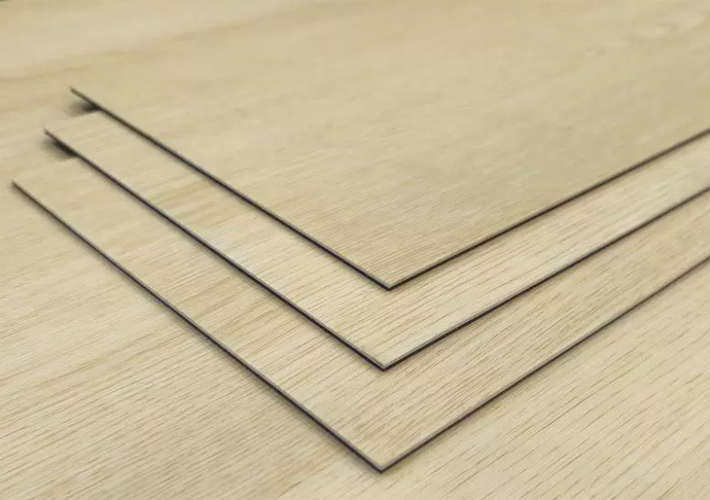
Luxury Vinyl Tile (LVT) flooring is a resilient flooring solution that combines realistic designs with practical performance. Its multi-layer construction allows manufacturers to balance appearance, durability, comfort, and installation flexibility.
The performance of LVT flooring mainly depends on several key components:
- Wear layer: affects scratch and abrasion resistance
- Decorative layer: creates realistic visual effects
- Backing structure: influences stability and installation performance
Different LVT constructions are designed for different applications, from residential interiors to commercial environments.
Advantages of LVT Flooring
1. Realistic Appearance and Design Flexibility
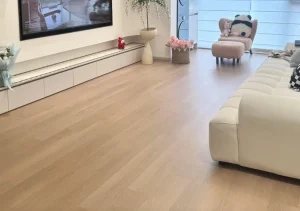
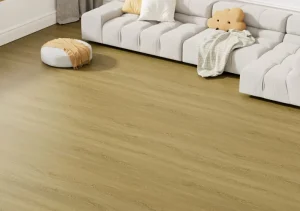
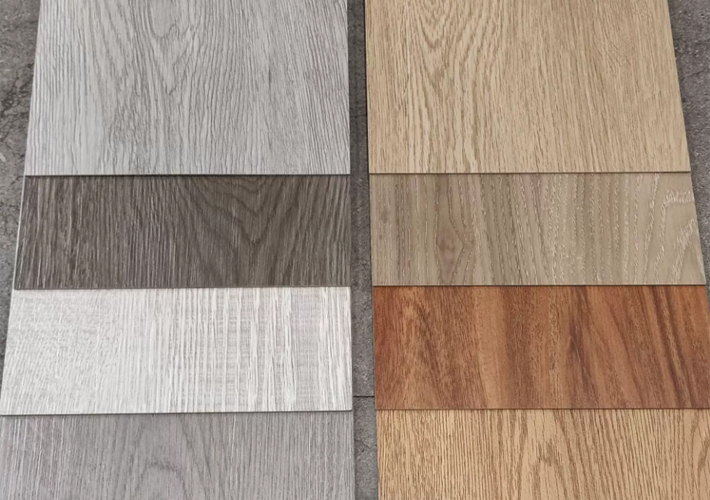
One of the biggest advantages of LVT flooring is its ability to reproduce the appearance of natural materials while offering greater design flexibility.
Modern printing and embossing technologies allow LVT to achieve realistic:
- Wood appearances
- Stone patterns
- Decorative finishes
- Surface textures
Compared with natural materials, LVT provides more consistent colors and patterns across large projects, making it suitable for:
- Hotels
- Offices
- Retail stores
- Residential developments
- Commercial buildings
For distributors and private-label brands, many LVT flooring manufacturers also offer customization options, including colors, textures, dimensions, and packaging.
2. Durable Performance for Residential and Commercial Applications
Durability is one of the main reasons why LVT flooring is widely used in different environments.
The performance of LVT depends on:
- Wear layer thickness
- Raw material quality
- Manufacturing technology
- Installation quality
A high-quality wear layer helps protect the flooring surface from:
- Foot traffic
- Scratches
- Stains
- Daily wear
For commercial projects with heavy traffic, buyers should select appropriate specifications based on expected usage rather than focusing only on the lowest price.
When evaluating LVT flooring durability, professional buyers should consider several key factors:
- Wear layer thickness, which affects scratch and abrasion resistance
- Total flooring thickness, which influences stability and comfort
- Surface treatment technology, which improves protection and appearance retention
- Raw material quality, which affects long-term performance
A reliable LVT flooring manufacturer should provide consistent product specifications and quality control standards to ensure stable performance across large projects.
3. Water Resistance and Easy Maintenance
LVT flooring provides excellent water resistance and requires relatively simple maintenance compared with many traditional flooring materials, eliminating the need for regular refinishing or complicated maintenance procedures.
The protective surface layer helps improve resistance against:
- Moisture exposure
- Spills
- Dirt
- Stains
However, buyers should understand that most LVT products are water-resistant rather than completely waterproof. Actual performance depends on product construction and installation quality.
4. Comfortable Underfoot
Compared with hard flooring materials such as ceramic tile and natural stone, LVT provides a softer and more comfortable walking experience.
Its flexible structure can improve:
- Underfoot comfort
- Acoustic performance
- User experience
This advantage makes LVT especially suitable for environments where comfort is important.
5. Flexible Installation Options
Another advantage of LVT flooring is the variety of installation methods available. Different systems allow buyers to select solutions according to project requirements.
Dry Back LVT
Suitable for:
- High-traffic commercial areas
- Projects requiring strong stability
Self Adhesive LVT
Suitable for:
- Quick installation projects
- Small residential renovations
Loose Lay LVT
Suitable for:
- Renovation projects
- Flexible installation requirements
Click LVT
Suitable for:
- Faster installation
- Easier replacement
6. Cost-Effective Alternative to Natural Flooring
Compared with hardwood, stone, and ceramic flooring, LVT provides a more affordable flooring solution while maintaining attractive appearance and practical performance.
The combination of realistic designs, durability, easy maintenance, and flexible installation makes LVT a cost-effective choice for many projects.
Common Applications of LVT Flooring
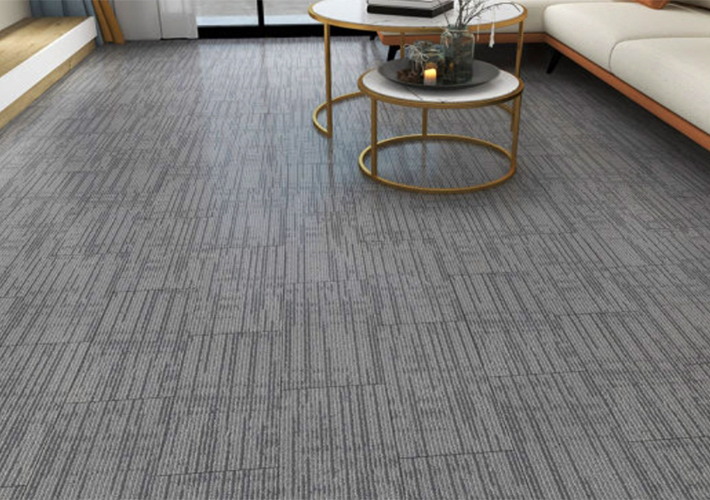
LVT flooring is widely used in residential, commercial, and hospitality projects because it combines realistic design, durability, and easy maintenance.
Residential projects commonly use LVT for apartments, houses, and renovation projects because of its comfort and design flexibility.
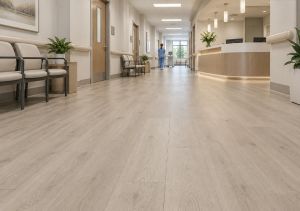
Commercial and hospitality projects, including offices, retail stores, hotels, and healthcare facilities, often choose LVT because of its durability, easy maintenance, and ability to support high-traffic environments.
Disadvantages of LVT Flooring
1. Lower Impact Resistance Compared with Some Hard Flooring Materials
Although LVT can replicate wood and stone appearances, it does not have the same hardness as ceramic tile or natural stone.
Heavy impacts or sharp objects may affect the surface if the product specification is unsuitable.
For demanding applications, buyers should consider:
- Wear layer thickness
- Surface protection
- Traffic conditions
2. Requires Proper Subfloor Preparation
The condition of the subfloor has a significant impact on LVT installation quality.
Poor preparation may cause:
- Uneven appearance
- Installation problems
- Reduced stability
Before installation, the surface should be:
- Clean
- Dry
- Flat
- Structurally stable
3. Cannot Be Refinished Like Hardwood Flooring
Unlike hardwood flooring, LVT generally cannot be sanded and refinished after serious damage.
If significant damage occurs, replacing the affected plank or tile may be required.
4. Quality Differences Between Manufacturers
Not all LVT flooring products provide the same performance.
Differences in:
- Raw materials
- Production technology
- Quality control
- Product structure
can affect:
- Durability
- Stability
- Service life
Choosing an experienced LVT flooring manufacturer is important for consistent quality.
5. May Not Provide the Same Premium Perception as Natural Materials
Some buyers still prefer natural materials such as hardwood or stone because they provide an authentic premium appearance and unique natural characteristics.
Although modern LVT flooring technologies, including advanced printing, embossing, and Embossed in Register (EIR) surface technology, have significantly improved the realism of wood and stone patterns, certain luxury projects may still prefer genuine natural materials.
For high-end residential or hospitality applications, the perception, texture, and uniqueness of natural materials can remain an important consideration.
Cost Considerations of LVT Flooring
Although LVT flooring is generally considered a cost-effective alternative to natural flooring materials, the final cost depends on product specifications, installation methods, order quantity, and customization requirements.
For professional buyers, evaluating product quality, supplier reliability, and long-term performance is often more important than selecting the lowest price option.
How to Choose a Reliable LVT Flooring Manufacturer
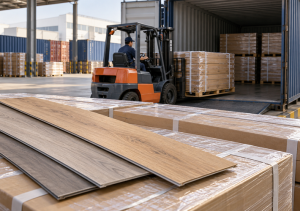
For distributors, contractors, and international buyers, choosing the right LVT flooring manufacturer is as important as selecting the right product. A reliable supplier should not only provide competitive pricing but also ensure consistent quality, technical support, and long-term supply capability.
A reliable LVT flooring manufacturer should provide:
Stable Production Capability
Important factors include:
- Consistent production capacity
- Reliable delivery schedules
- Stable product quality
OEM and Customization Support
Professional suppliers should support:
- Customized designs
- Product specifications
- Packaging solutions
Quality Control
Manufacturers should control quality throughout:
- Raw materials
- Production processes
- Finished products
Export Experience
International experience helps suppliers better support:
- Documentation requirements
- Shipping procedures
- Global customers
Frequently Asked Questions About LVT Flooring
Is LVT flooring suitable for commercial projects?
Yes. LVT flooring is widely used in hotels, offices, retail stores, healthcare facilities, and other commercial environments because it combines durability, design flexibility, and easy maintenance.
What is the best LVT flooring thickness?
The suitable thickness depends on the application, traffic level, installation method, and expected service life.
Is LVT better than SPC flooring?
Neither product is better for every situation. LVT is often preferred for comfort and design flexibility, while SPC is selected for higher rigidity and stability.
Can LVT flooring be customized?
Yes. Many LVT flooring manufacturers provide OEM solutions, including customized colors, designs, specifications, and packaging.
What should buyers consider when purchasing LVT flooring from a manufacturer?
Professional buyers should evaluate product quality, production capability, customization options, quality control systems, export experience, and after-sales support before selecting an LVT flooring manufacturer.
Conclusion
LVT flooring offers a strong combination of realistic appearance, durability, easy maintenance, comfort, and installation flexibility, making it a popular choice for residential, commercial, and hospitality applications.
However, buyers should carefully evaluate both the advantages and disadvantages of LVT flooring before selecting a product. Factors such as wear layer performance, installation requirements, cost, and supplier capability all influence long-term flooring performance.
For distributors, contractors, and project developers looking for reliable LVT flooring solutions, working with an experienced manufacturer can help ensure consistent quality, customization support, and stable supply.
Contact us today to discuss your LVT flooring requirements and request a professional quotation.