Introduction
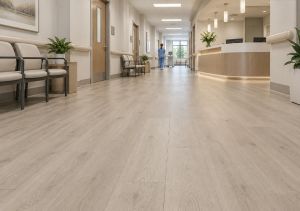
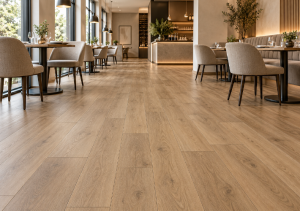
Luxury Vinyl Tile (LVT) flooring is widely used in commercial projects such as hotels, offices, retail stores, and healthcare facilities because it offers durability, design flexibility, and easy maintenance.
However, maintaining LVT flooring performance requires more than regular cleaning. For commercial spaces with heavy foot traffic, a proper maintenance strategy helps protect the surface, extend service life, and reduce lifecycle costs.
This guide explains how to clean LVT flooring in commercial environments, covering effective cleaning methods, maintenance strategies, common mistakes, and key factors that influence long-term flooring performance.
Why Proper LVT Flooring Maintenance Matters
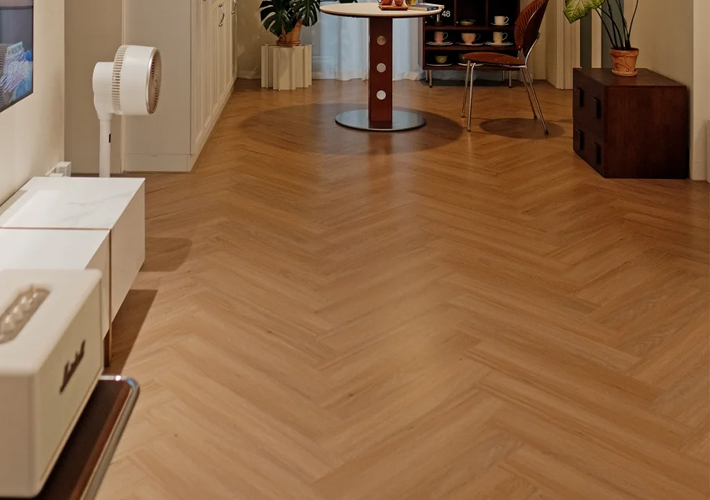
Although LVT flooring is designed for durability, proper maintenance is essential to preserve appearance, protect the wear layer, and maintain long-term performance in commercial environments.
Commercial flooring environments are often exposed to:
- Heavy foot traffic
- Frequent cleaning cycles
- Dirt and debris accumulation
- High-use areas with concentrated wear
A structured maintenance program helps:
- Maintain consistent flooring appearance in high-traffic areas
- Protect the surface layer from premature wear
- Extend flooring service life
- Reduce repair and replacement costs
For distributors, contractors, and project owners, selecting flooring solutions with reliable durability and easy maintenance characteristics can improve the overall value of commercial projects.
How to Clean LVT Flooring in Commercial Projects
Commercial LVT flooring typically requires more frequent cleaning schedules due to higher traffic levels and larger installation areas compared with residential applications. Proper cleaning procedures are essential for maintaining LVT flooring appearance, protecting the wear layer, and supporting long-term performance in commercial projects.
1. Remove Surface Dirt and Debris
Regularly remove dust, dirt, and loose particles through routine cleaning.
For commercial spaces with heavy foot traffic, frequent dirt removal helps prevent abrasive particles from affecting the wear layer and surface appearance.
Recommended methods include:
- Vacuuming
- Using a soft broom
- Cleaning with a microfiber mop
2. Use Suitable Cleaning Solutions
Use neutral pH cleaners or manufacturer-approved cleaning products for routine maintenance.
Avoid:
- Harsh chemicals
- Abrasive cleaning products
- Unapproved coatings or treatments
Using unsuitable products may affect the protective surface layer and reduce long-term appearance retention.
3. Address Spills and Stains Effectively
Commercial LVT flooring may encounter spills from daily operations. Prompt cleaning helps prevent stains and residue buildup.
Quick response to spills is especially important in high-traffic areas such as entrances, restaurants, retail spaces, and public areas.
4. Perform Periodic Deep Cleaning
In addition to routine cleaning, commercial LVT flooring requires periodic deep cleaning based on traffic levels and usage conditions.
Deep cleaning helps remove accumulated dirt, maintain surface quality, and support long-term flooring performance.
Commercial LVT Flooring Maintenance Strategies
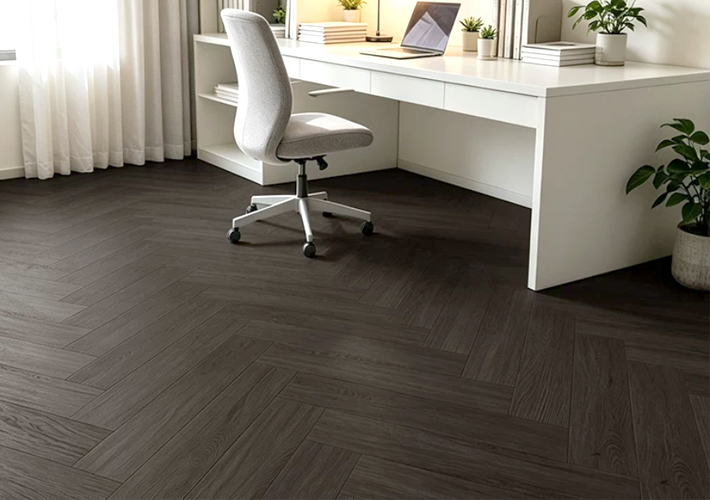
Commercial LVT flooring requires a structured maintenance approach to manage traffic levels, cleaning requirements, and long-term performance expectations.
Adjust Maintenance Frequency Based on Traffic Levels
Commercial spaces often experience concentrated foot traffic in areas such as entrances, corridors, reception areas, and public spaces. These areas are more likely to accumulate dirt and experience surface wear.
Recommended maintenance practices include:
- Prioritize maintenance planning for high-traffic zones
- Use protective measures to reduce dirt and moisture transfer
- Regularly inspect areas with concentrated traffic
A targeted maintenance approach helps maintain consistent appearance and prevent premature surface damage.
Establish a Preventive Maintenance Program
Commercial flooring requires planned maintenance rather than occasional cleaning. A consistent schedule helps facility managers maintain flooring quality while improving maintenance efficiency.
A commercial maintenance program usually focuses on:
- Traffic-based cleaning planning
- Regular floor condition inspections
- Preventive maintenance procedures
A well-planned maintenance strategy helps reduce unnecessary repairs and supports long-term flooring performance.
Common LVT Flooring Maintenance Mistakes in Commercial Projects
Using Excessive Water During Cleaning
Too much moisture during cleaning may affect flooring joints and edges, especially when water is allowed to remain on the surface for extended periods.
Better practices include:
- Use controlled moisture during cleaning
- Remove standing water promptly
- Follow recommended cleaning procedures
Using Incorrect Cleaning Chemicals
Some cleaning products may damage the protective layer or affect surface appearance.
Avoid:
- Harsh chemicals
- Abrasive powders
- Unapproved maintenance products
Choosing suitable cleaning solutions helps protect flooring performance over time.
Failing to Adjust Maintenance Frequency
Applying the same cleaning frequency across all areas can lead to insufficient maintenance in high-traffic zones and unnecessary cleaning costs in low-use areas.
Better practices:
- Adjust cleaning schedules based on traffic levels
- Prioritize areas with higher usage intensity
- Review maintenance requirements regularly
How LVT Specifications Affect Maintenance Performance
Maintenance performance depends not only on cleaning procedures but also on the quality and specifications of the LVT flooring selected.
Key factors include:
| Factor | Why It Matters for Commercial Projects |
|---|---|
| Wear Layer Thickness | A durable wear layer provides better protection against daily traffic, scratches, and surface wear. |
| Surface Protection | Advanced surface treatments improve stain resistance, cleaning efficiency, and appearance retention. |
| Product Construction | A stable flooring structure helps maintain dimensional stability and consistent performance over time. |
Selecting the right LVT specifications before installation can help commercial projects achieve easier maintenance, longer service life, and better lifecycle value.
Conclusion
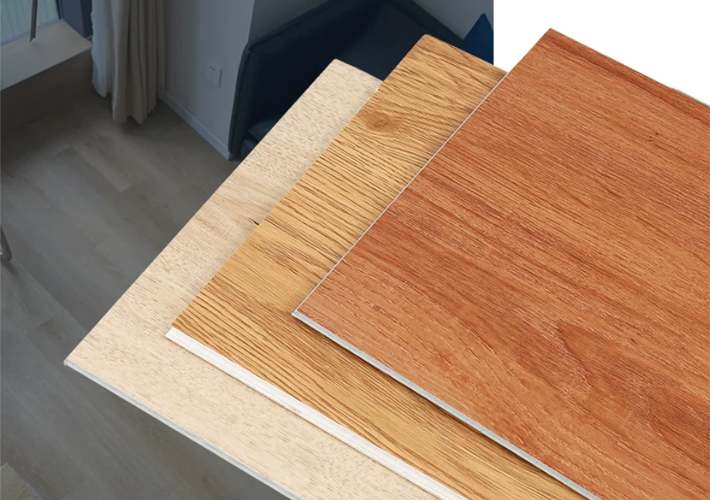
Proper cleaning and maintenance are essential for maximizing the performance and lifespan of LVT flooring, especially in commercial applications.
By following suitable cleaning methods, establishing effective maintenance programs, and selecting high-quality LVT products, distributors, contractors, and project owners can achieve better long-term flooring performance and reduce lifecycle costs.
For commercial flooring projects, choosing the right LVT flooring solution is not only about appearance but also about durability, maintenance efficiency, and overall project value.
Looking for durable LVT flooring solutions for commercial projects? Contact ChangFlor for professional flooring solutions and customized support.